Year 3 - English - Using The Correct Determiners
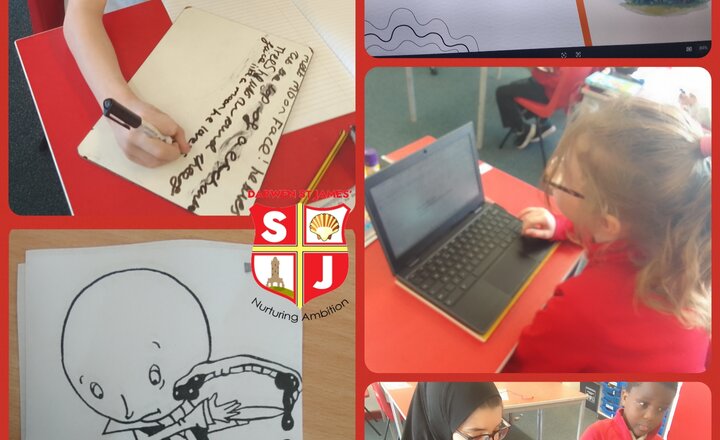
Determiner Detectives in Year 3! We’ve been mastering the rules for using a and an today. To put our new skills into practice, we turned our attention to the iconic Moon-Face from The Enchanted Wood. The children had to think carefully—is it a shiny face or an unusual face. It was a fantastic way to sharpen our grammar while exploring the magic of Enid Blyton’s world!
Year 6: English - Subordination
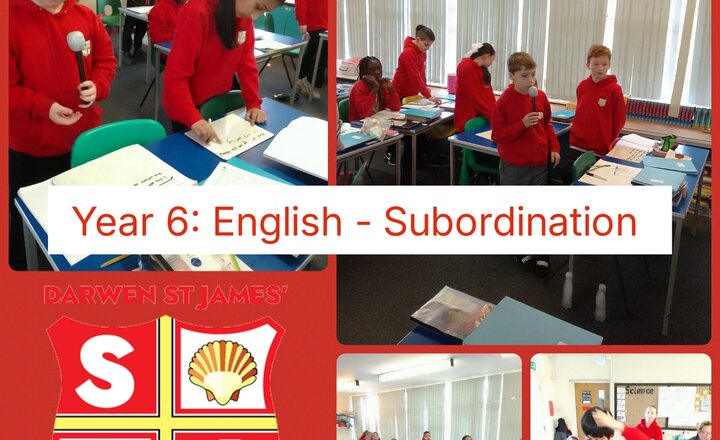
This week year 6 are expanding on their knowledge of grammar, by focusing on the subordinating conjunction 'since'. They have been writing examples that relate to their class text 'Kensuke's Kingdom'.
Year 3 - English - The Enchanted Wood
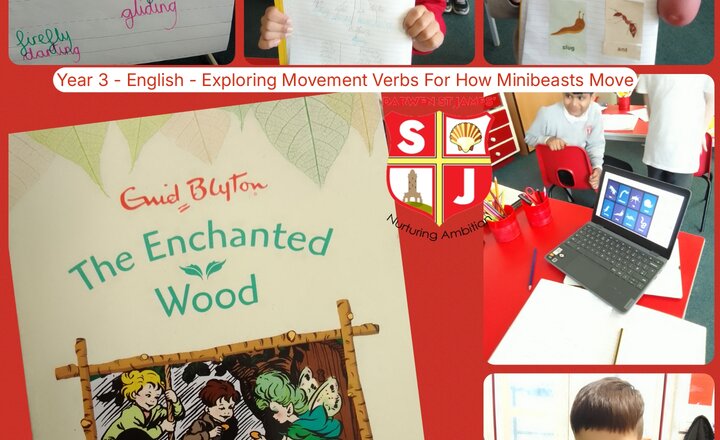
Magic is in the Air in Year 3! Hold onto your hats, because we’ve just stepped into the magical world of The Enchanted Wood! We are officially beginning our brand-new English unit inspired by Enid Blyton’s classic. This week, we’ve been busy imagining what it would be like to climb the Faraway Tree, meet Moon-Face and Silky, and discover which strange lands are swirling around at the very top!
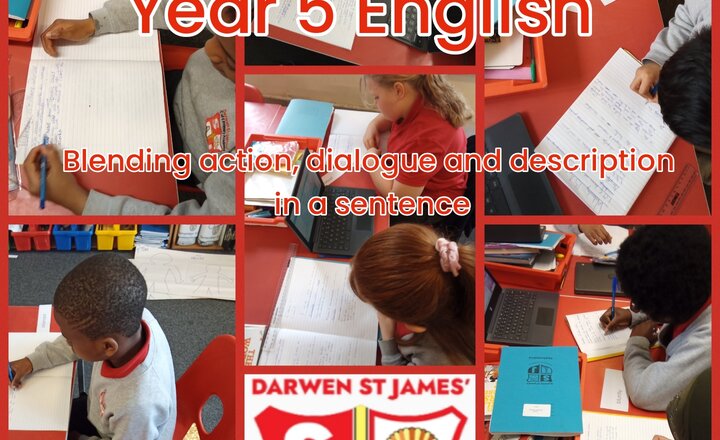
Year 5 English - Blending Action, Dialogue and Description in a Sentence
Word Detectives: Unlocking the Opening Chapters Our budding linguists took on the role of Word Detectives this week, diving deep into the atmospheric opening of our new class novel, Goodnight Mister Tom. In a fast-paced, 12-minute challenge, students were tasked with more than just memorising definitions; they had to uncover the hidden "personality" of the author’s language. Working in teams, each table was assigned a specific keyword from the text—ranging from the stoic robust to the startled bewildered. Using dictionaries as their primary tools, the groups worked to define their word before "detecting" its specific mood. Is the word adamant a grumpy one? Does clad feel neutral or formal? The final challenge required high-level creativity and precision. Students had to craft a "Three-Way Blend" sentence, seamlessly weaving their assigned word into a single line that combined Action, Dialogue, and Description.
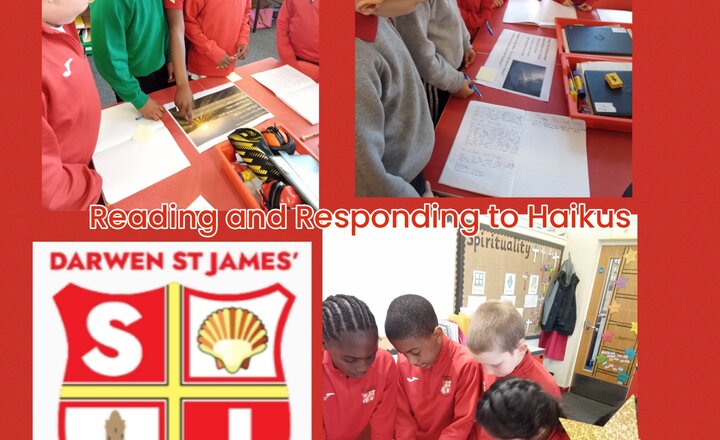
Year 5 English - Reading and Responding to Haikus
Year 5 are getting lyrical this week! We’ve jumped into the wonderful world of Haikus, exploring how these short, traditional Japanese poems can pack such an evocative punch. The children have loved diving into different examples to uncover their hidden meanings. We are now mastering the "golden rule" of Haiku structure: the magical 5-7-5 syllable count! (Counting on fingers has definitely been required!) We are all looking forward to channeling our inner poets later in the week to create our very own Easter-themed Haikus.
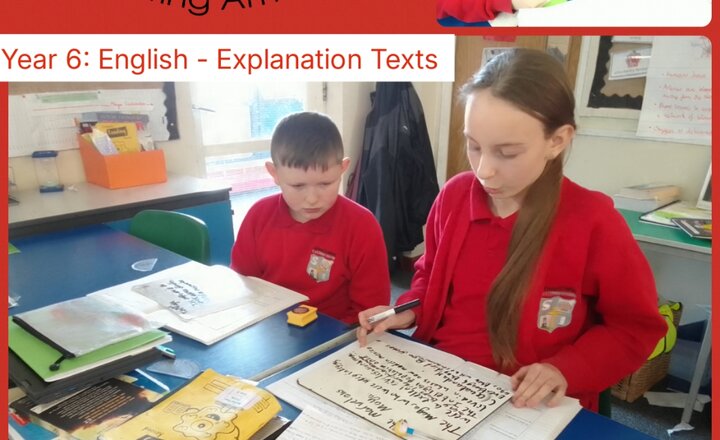
Year 6: English - Explanation Texts
This week in English, Year 6 will be writing an explanation text - to explain to the reader about the historical significance of the Maya Civilisation. They are focussing on the accuracy of their punctuation when including the grammatical features taught this term.
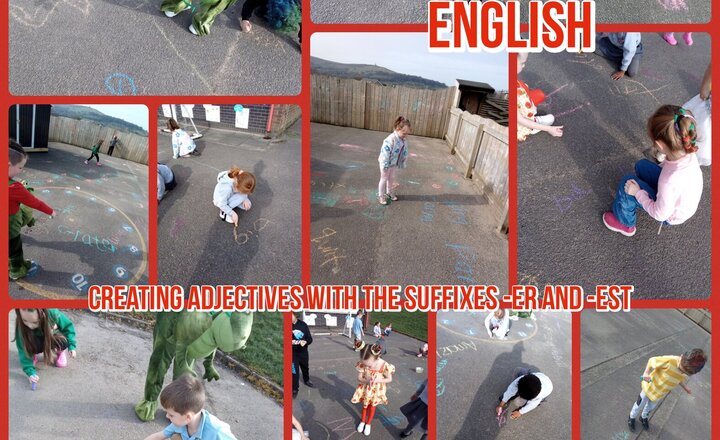
Year 2 English: Creating Adjectives
Year 2 took their English lesson outside today to transform our playground with comparative and superlative adjectives! Using colourful chalk, the children turned the tarmac into a giant word map. They described how our playground looks now and how they want it to look in the future using the -er and -est suffixes. It was a brilliant way to see our learning in action while reimagining our school space!
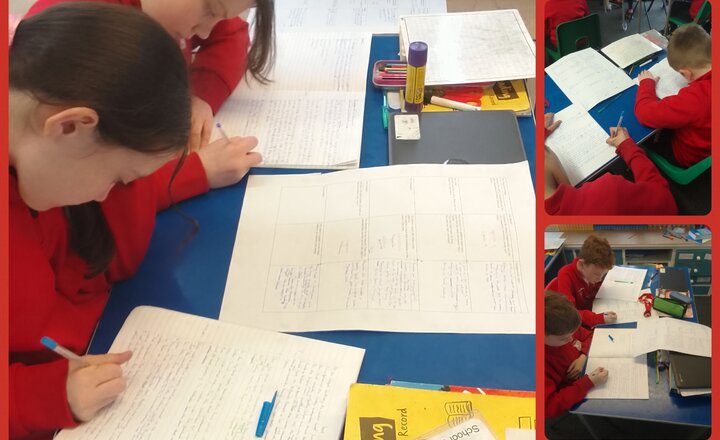
Year 6: English - Crime and Detective Novels
This week in English, Year 6 have been putting their plans into action and have started writing their own detective story. The creativity, character development and plot twists are amazing to read!
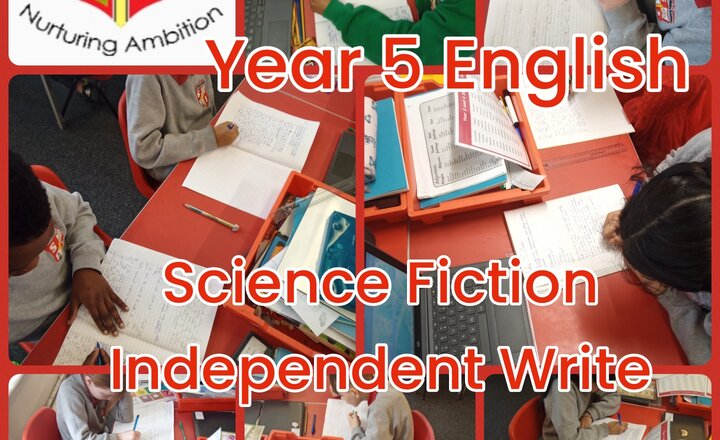
Year 5 English - Science Fiction Independent Write
After weeks of exploring distant galaxies and futuristic colonies, Year 5 have officially wrapped up their Science Fiction unit! For their final independent writing piece, the children drew inspiration from Roy Apps’ ‘Time Spinner’. They were tasked with writing a gripping tale about a time traveller from a sterile, silent future who suddenly appears in our vibrant, noisy, modern-day playground. Building on our recent drama and ‘Show, Don’t Tell’ workshops, the children have done a brilliant job of describing the sensory shock their characters felt. From the chaotic shrieks of a football match to the strange, earthy smell of the grass, their stories are packed with atmospheric detail and high-level vocabulary. We have been so impressed by their creativity and their ability to help their travellers find a way back to the future! If a time traveller appeared in our playground today and could take you anywhere in history (past or future), where would you choose to go? Let us know in the comments!
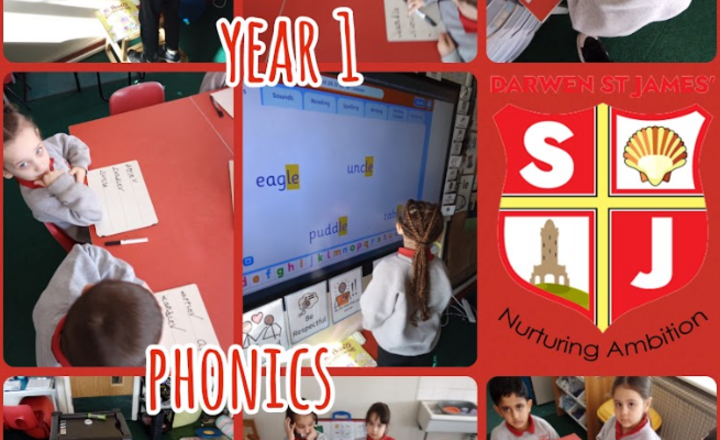
Year 1 - Phonics
The children in Year 1 have shown incredible dedication to their reading this week. We have been working hard during our Bug Club Phonics sessions, and the improvement in their confidence is wonderful to see. Our focus has been on: Blending with Precision: Combining individual sounds to read full words more fluently. Decoding Skills: Applying their knowledge to break down and read unfamiliar or challenging words. Spotting alien words: Using their detective skills to identify pseudo-words, which helps ensure they are truly mastering their graphemes. Learning to read is a complex journey, but the children’s persistence is paying off. It is a pleasure to watch them apply these new skills to their books and classroom activities. Home Learning Tip: When reading at home, encourage your child to point out any "alien words" they might find in their practice materials to test their decoding skills. Keep up the fantastic effort, Year 1. You are all becoming very talented readers.
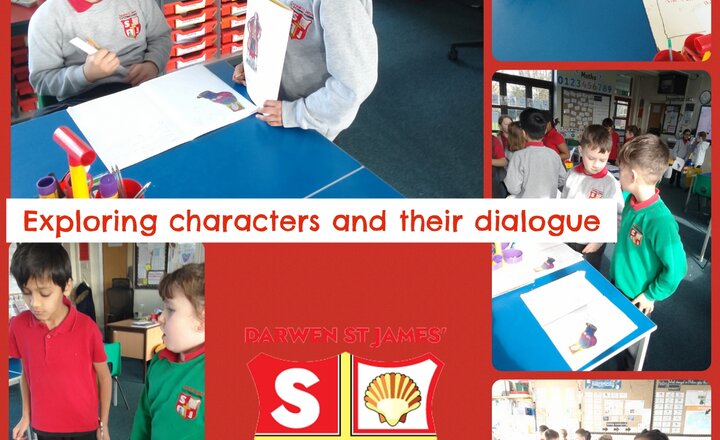
Year 4 English - Creating Dialogue
Year 4 have enjoyed exploring the different characters of 'Gulliver's Travels' from our English Unit. They have created some fantastic pieces of dialogue between the characters, using expressive language and punctuation features. It was great fun acting our work out, with different partners, in our different roles.
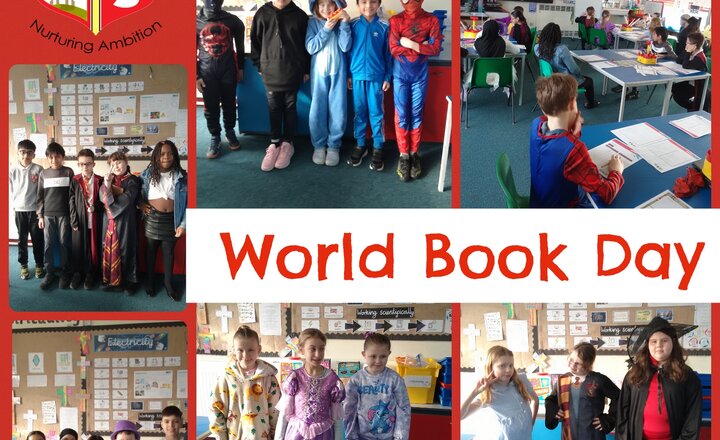
Year 4 World Book Day
On World Book Day, Year 4 had an amazing time, delving in to the love of reading! We did many activities to celebrate the world of books and share the joy that reading can bring. Year 4 especially enjoyed dressing up as a character from a book for the day - the outfits were fabulous!
.png)