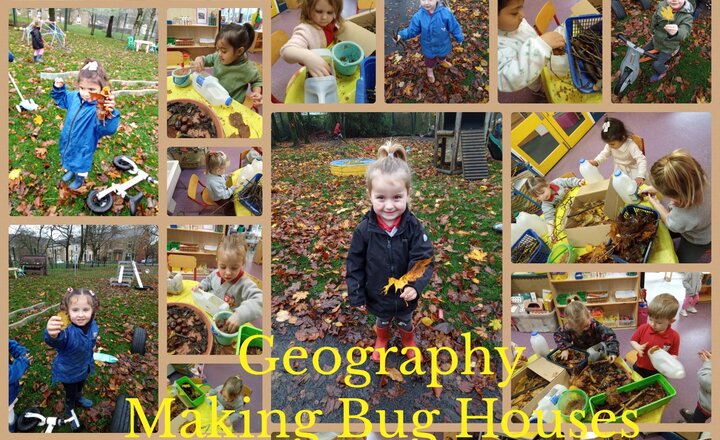
Pre-School-Geography- Making Bug Houses
This week, pre-schoolers embraced nature by creating wonderful bug houses! To ensure all the tiny creatures stay warm this winter, the children diligently collected various natural materials for their constructions. This activity sparked great conversations, as the children eagerly discussed with their peers which creepy crawlies might choose to take up residence in their newly built homes.
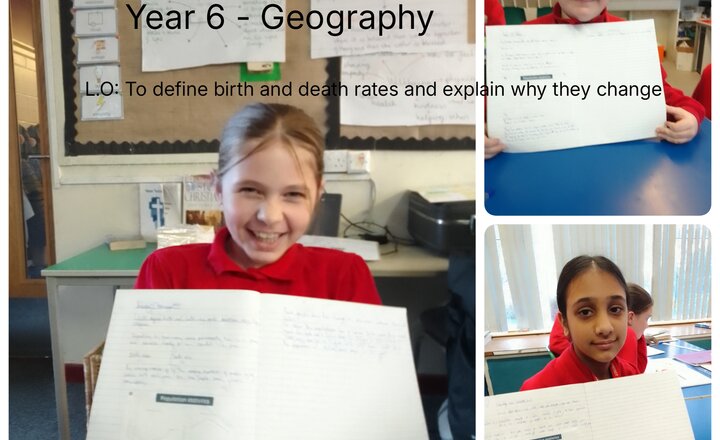
Year 6: Geography - Population
This week year 6 have been learning about how birth and death rates can affect the population of an area. They analysed data shown on a graph for two countries, and thought about other reasons for how and why the population may fluctuate.
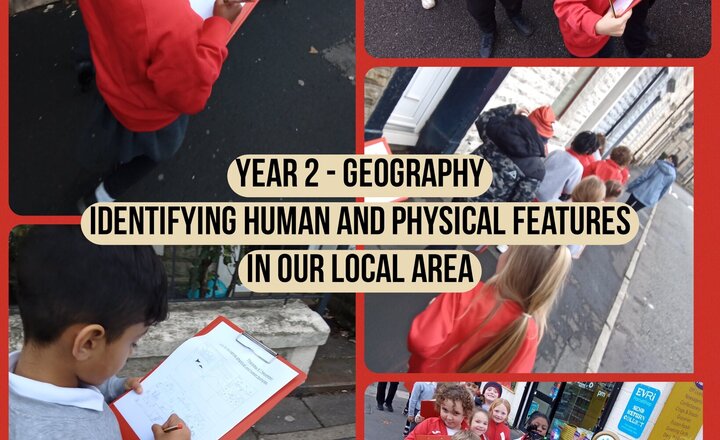
Year 2 - Geography - Human and Physical Features
Geography Walk: Exploring Our Local Area! Year 2 put on their walking shoes this week and became local geography experts! We ventured out into our neighbourhood to identify a variety of human and physical features. The children did a fantastic job distinguishing between natural elements and man-made structures. During our walk, we were able to spot key human features like houses, shops, and speed bumps, alongside physical features such as fields and hills.
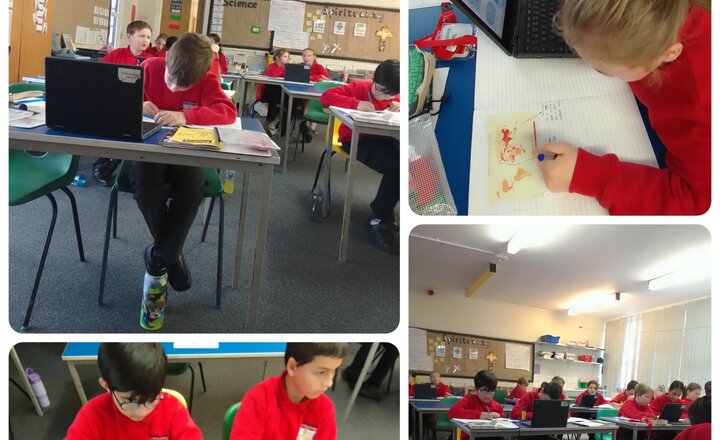
Year 6: Geography - Population
In Geography year 6 have started their unit learning about population. This week we learnt about population density, and looked at different countries around the world and their population density. L.O: To understand population density.
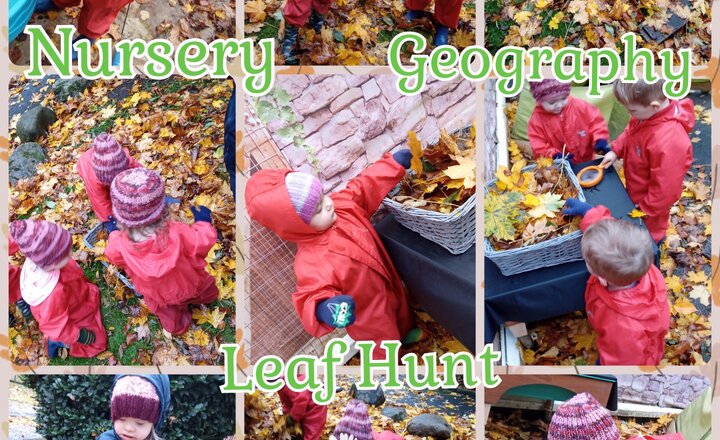
Nursery - Geography - Leaf Hunt
Inspired by our story this week, the nursery class embarked on a fascinating leaf hunt outdoors. The children immediately observed that the ground was covered in a thick layer of leaves, which sparked a natural geographical discussion: "Why are the leaves on the ground?" and "Where did they come from?" This curiosity led to a key observation about seasonal change. The children looked up and noticed that the trees, which had been full of leaves, were now largely bare. This visible change from leaves on the tree to leaves on the ground provided a concrete lesson in the cycle of nature and the concept of where materials originate. We then searched enthusiastically for leaves of different colours, shapes, and sizes, carefully collecting them to use as natural resources for our other work taking place in class. This hands-on exploration linked observation of the local environment directly to classroom learning.
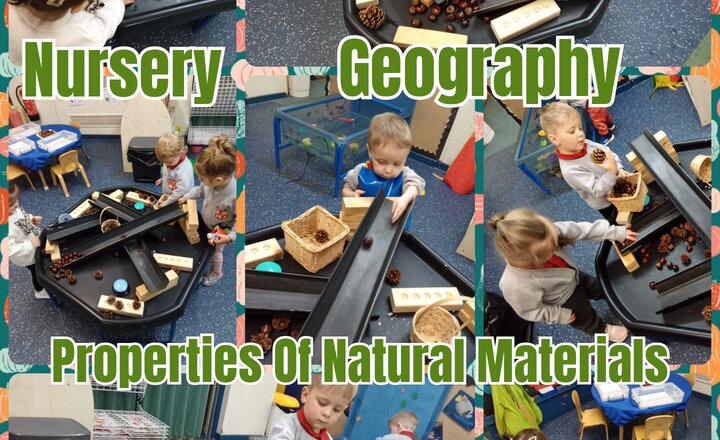
Nursery - Geography - Properties Of Natural Materials
Nursery class have been exploring the properties of foraged natural materials—pinecones and conkers. The activity began with practicing anticipation skills using a clear "Ready, Steady, Go!" cue to release the objects down the pipes. The children quickly discovered a key difference, the conkers rolled down the entire length of the pipe, but the pinecones stopped short and got 'stuck'. This led to a discussion about the physical characteristics of the materials. The children were prompted to feel each item, noting that the conker was smooth, while the pinecone was spikey, which stopped it from rolling. The experimentation then moved to exploring cause and effect by adjusting the slope of the drainpipes. The children used blocks to make the pipes higher or lower, observing how the incline affected the speed of the rolling objects. Then they raced the two materials, further working on their understanding of how a material's shape and texture influence its movement. This was a rich, hands-on lesson about the physical world around them.
.jpg)
Year 4 Geography - Gathering Data
In our Geography lessons, Year 4 have been learning all about the Amazon Rainforest and what it is used for. We have linked our forests and woodlands to be the closest match to the rainforest and have been collecting information in a variety of formats to find out what we use our forests and woodlands for. We will then compare this to the Amazon rainforest when we present our findings next lesson. We have made some interesting predictions and are looking forward to find out what our data will tell us!
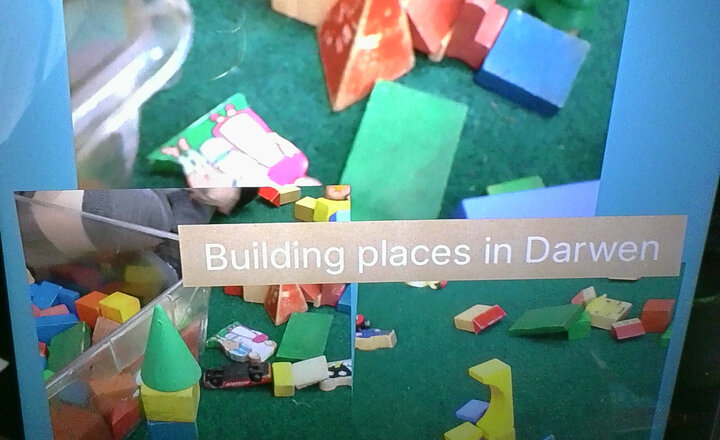
Year 1 - Construction - Places in Darwen
The children used building blocks to create a variety of structures and places in Darwen,. The collage shows different creations, including the Darwen Tower and local houses.
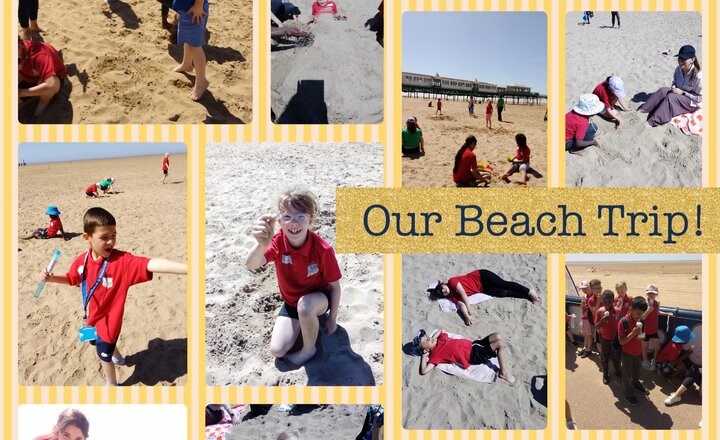
Year 2 Beach Trip
What a fantastic beach trip our children had! The collage captures their joy as they played in the sand, built sandcastles, relaxed by the water, and explored the seaside. We had an amazing trip together, the children had delicious ice cream, played with bubbles and created amazing memories.
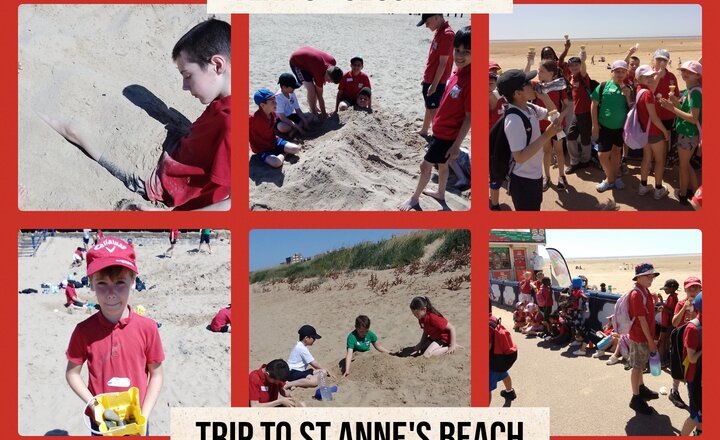
Year 5 Geography - Trip to St Anne's Beach
This half term, Year 5 has delved deeply into the vital topic of oceans in Geography, with a particular focus on understanding the pervasive effects of plastic pollution on our seas and beaches. We critically examined personal actions to combat this issue, exploring strategies such as diligent recycling, creative plastic repurposing, and mindful consumption to reduce single-use plastics. Our learning culminated in a valuable field trip to St. Anne's beach, where students actively identified the types of litter present, complementing our classroom discussions with real-world observation. Of course, we also found time to enjoy some well-deserved ice creams and fun in the sand!
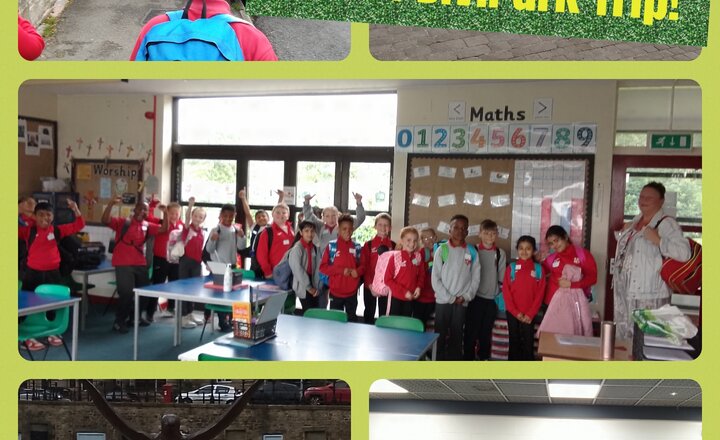
Year 4 Bold Venture Park!
On Wednesday, Year 4 walked to Bold Venture Park and had a fantastic day!! We were very excited to set off and walk to the park, passing lots of familiar places on our way! We enjoyed looking at the statue and plinth in front of the market - we had looked at this already in an art lesson, so it was great for us all to see it in person! We had a busy, but exciting day ahead of us.
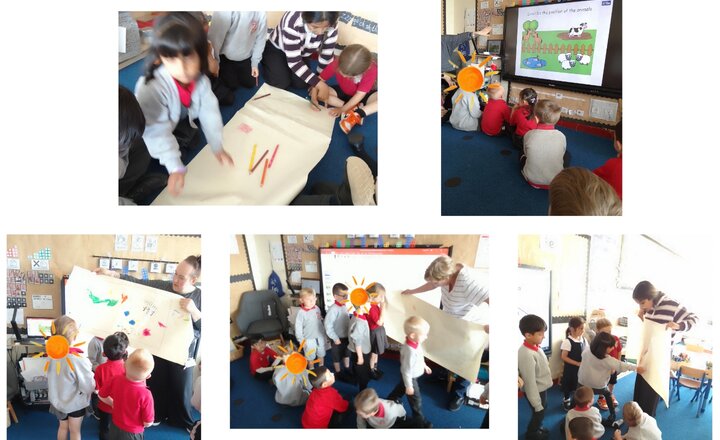
Reception - Maths - Making Maps
This week in maths, Reception have been exploring maps – using our maths eyes to spot shapes, patterns and position as part of our White Rose learning. We looked carefully at a simple story map and then worked together to create our own, using big paper, bold colours and brilliant teamwork! The children talked about where things were, using mathematical language like next to, behind, and in front of. They thought about directions and routes, and even explained their maps to others – practising reasoning skills along the way. White Rose encourages us to see maths in the world around us, and map-making is a great way to build those early spatial and positional skills. Plus, it gets us thinking visually and creatively – perfect for young mathematicians with curious eyes!
.png)