Reception Class - Toothbrushing
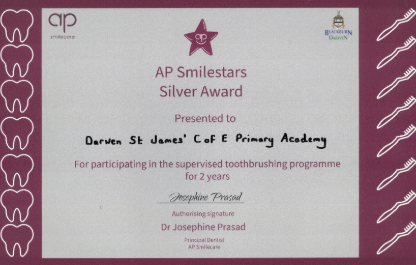
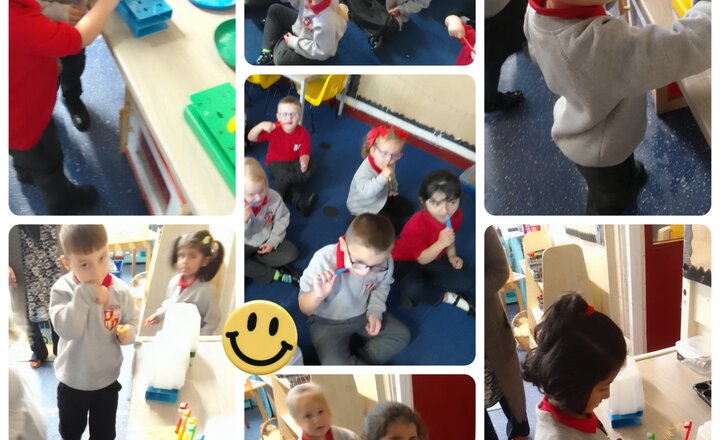
Hello Reception parents! ???? We're so excited to announce that we've started our toothbrushing initiative in class! This is a fantastic step in helping your little ones develop great oral hygiene habits right from the start. Our Brushing Routine ???? The children have been doing an amazing job learning their new routine. Each child has been allocated their own special toothbrush and they're learning to: Find their own brush: This helps them build independence and responsibility. Add their own toothpaste: We're teaching them how to use just a small, pea-sized amount. Brush their teeth: We're practicing the correct way to brush, covering all surfaces of their teeth. Put their brushes away: This is the final step in the routine, ensuring everything is clean and tidy for next time. This is more than just brushing; it's about developing independence and building a healthy habit that will last a lifetime. A massive thank you to AP Smilecare for generously providing all of our brushes and toothpaste! Their support has made this wonderful initiative possible. We're incredibly proud of how well the children are doing and look forward to seeing their confidence grow with each brushing session. Keep up the great work, everyone! ✨
Reception Class - Phonics - Guided Reading
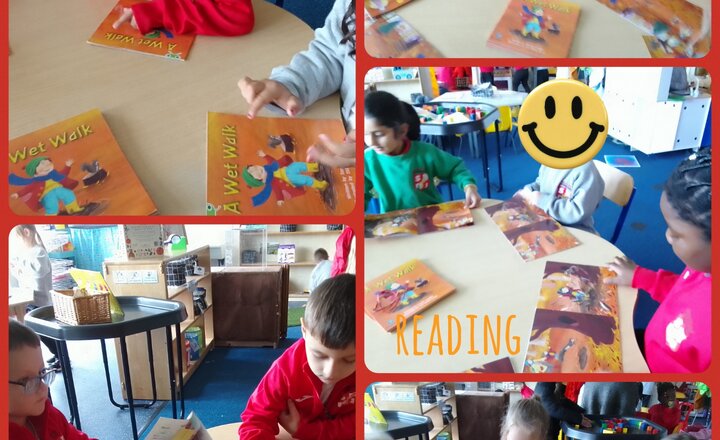
The Great Phonics Adventure Has Begun! ???? We're so excited to share that our Reception children have officially started their phonics journey, and they're already doing an incredible job! We're building the foundation for reading and writing, and the children have embraced every step with enthusiasm. This week, we've been exploring the story 'A Wet Walk'. The children have absolutely loved: Looking at the pictures and talking about what they can see. Discussing the characters and the journey they take. Practising their oral blending skills, which is a crucial first step in reading. It's wonderful to see them building confidence as they sound out words and put them together. The focus has been on listening to the sounds and blending them to hear the whole word. This skill is a super important building block for their future reading success. We're so proud of their hard work and can't wait to see their reading skills blossom! Keep up the amazing work, Reception! ✨
Nursery - Literacy - Fine Motor Skills - Threading
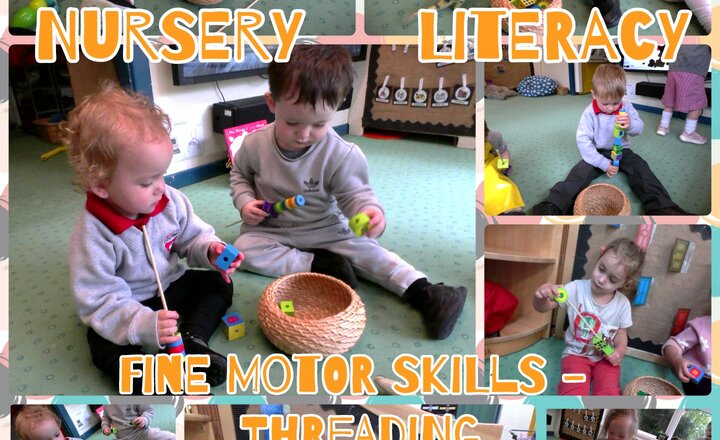
During our fine motor activity this week, the children used wooden dowels and large beads to practice threading, which was a bit tricky at first. Many of the children found that the beads kept sliding off the bottom, but they didn't give up. Instead, they found a solution, learning to hold the dowel with one hand and carefully use the other to thread the beads on. This activity not only helped them develop their hand-eye coordination and concentration but also allowed them to use their problem-solving skills.
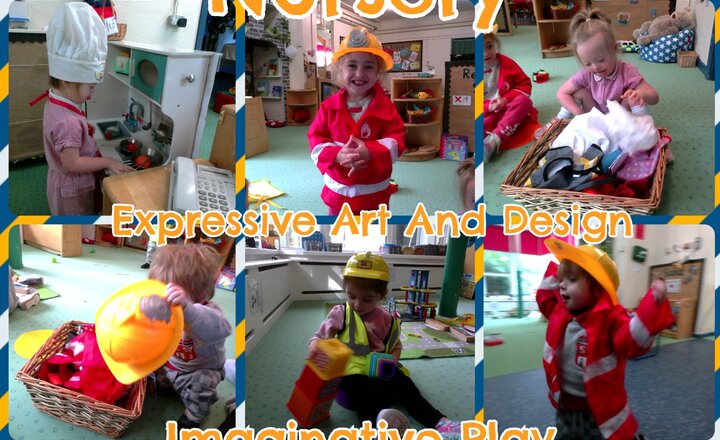
Nursery - Expressive Art And Design - Imaginative Play
In our Expressive Arts and Design lesson, the children had a wonderful time exploring our dressing-up basket, which was full of different costumes. Each child took a turn to choose an outfit, transforming into a variety of characters and people, from a police officer, firefighter, and builder to a doctor and chef. The children embraced their roles and acted out different scenarios. Some children took great care of the babies, taking their temperature and checking their heart beats, while others worked together to build structures with various resources. We also had a chef who had a wonderful time using their imagination to cook up some yummy dinner in the home corner. This activity provided a wonderful opportunity for the children to develop their creativity and imagination, while also exploring different roles and experiences in the world around them.
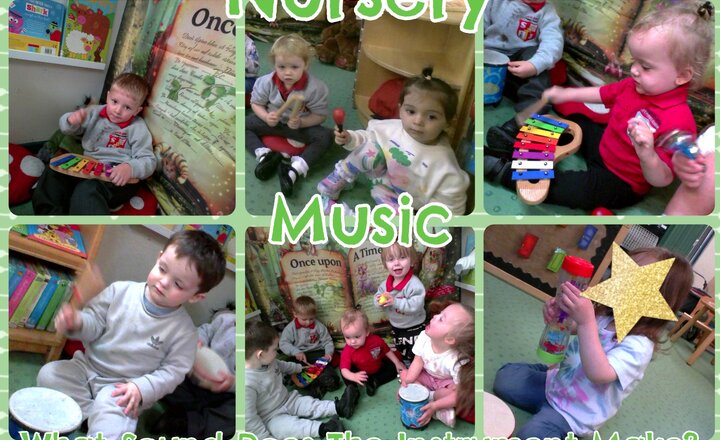
Nursery - Music - What Sound Does The Instrument Make?
In our recent music lesson, the children had a wonderful time exploring and experimenting with a variety of instruments. They were encouraged to investigate each one, learning about the different ways we can play them and listening carefully to the unique sounds they produce. The children enjoyed creating the different sounds. To help them further understand how to control the sound, they practiced mimicking movements to get a specific sound from the instruments. This interactive approach helped them develop their listening skills and their ability to follow instructions, all while creating some amazing music together!
.jpg)
Pre-School-Understanding The World-Changes As We Grow
Last week in Understanding the World, I asked parents to send in a baby photo of their child. The children loved looking at their pictures and talking about how much they’ve changed since they were babies and what they look like now. This simple activity sparked so much learning: • Personal, Social and Emotional Development: Talking about their own baby photo helped the children build confidence and recognise how they’ve grown. • Physical Development: They could see how their bodies have changed – from not being able to walk to now being able to run, jump, and climb. • Understanding the World: The children explored the idea of change over time, learning that people and living things grow and develop as they get older. • Communication and Language: They enjoyed using descriptive words, asking questions, comparing their photos, and sharing their memories.
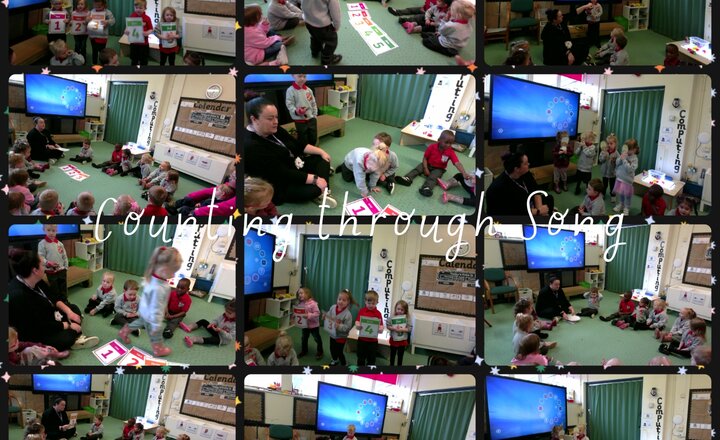
Pre-school-Maths-Counting through song
In maths this week, we have been singing nursery rhymes such as Five Little Ducks, Five Speckled Frogs and Five Cheeky Monkeys. The children enjoyed acting them out as they sang. They also had the chance to practise recognising numbers 1 to 5 using flashcards.
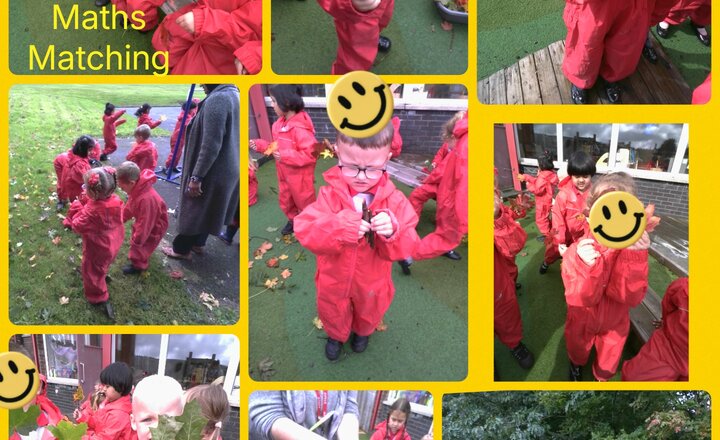
Reception - Maths- Matching
The children had a wonderful time in maths today, going outdoors to find different natural objects in the gardens. The children selected leaves and sticks of all different shapes and sizes. When we got back to Reception, we looked through what we had found and started to put some order to them. We were looking for objects that looked the same. Did it have the same colour? Was it the same size? Did they look the same? The children pointed out that the leaves looked the same colour but they were a different size. Sticks matched in length and colour. Working together we matched a lot of the objects up and made groups.
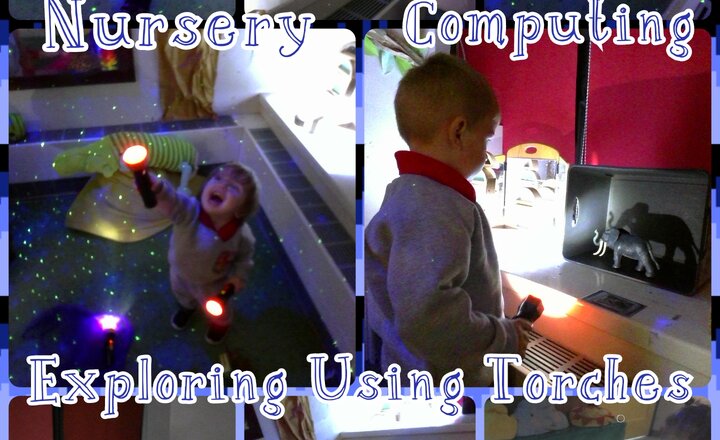
Nursery - Computing - Exploring Using Torches
In our computing lesson, the children had a wonderful time exploring with torches. They learned how to turn the torches on and off, which helped them understand the basic concept of control and cause and effect. The children's interests led them in many different directions. Some were fascinated by shining the lights on the roof, walls, and floor, while others enjoyed creating beautiful light displays by placing coloured scarves over the beams. A few children also showed great curiosity by using their torches to make shadows with toys from around the classroom inside a box. They explored how their movements changed the shape and size of the shadows. This hands-on lesson encouraged the children to be creative and independent while developing their understanding of light, darkness, and simple technology.
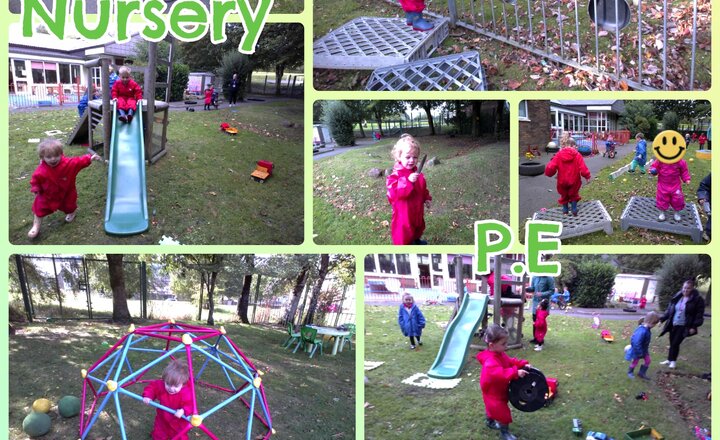
Nursery - P.E - Exploring The Great Outdoors!
Our Nursery class has been busy exploring the outdoor garden! The children had a fantastic time using their big muscles and developing their skills. We saw lots of energy on the climbing equipment, great aim while kicking and throwing balls, and some impressive balancing while riding bikes. The bouncy crates were a huge hit for jumping, and there was fantastic teamwork and creativity as they built tall towers with the reels. The class also used their keen observation skills to make some amazing discoveries, including a soft feather, some intricate spiderwebs, and even tiny eggs nestled on a leaf!
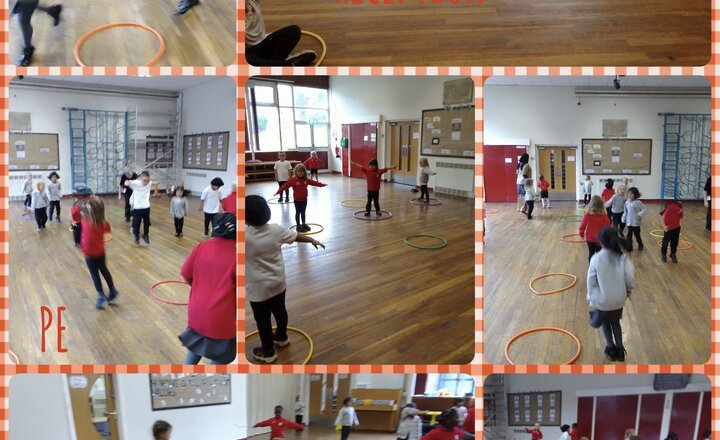
Reception - PE - Finding a Safe Space
Reception had their very first PE lesson today and absolutely loved it! They learned about the importance of keeping a safe space and how to move around the hall carefully. Hoops were used to help them picture their own space, and then they explored moving in different ways – jumping, jogging, hopping and walking – before returning to their safe spot.
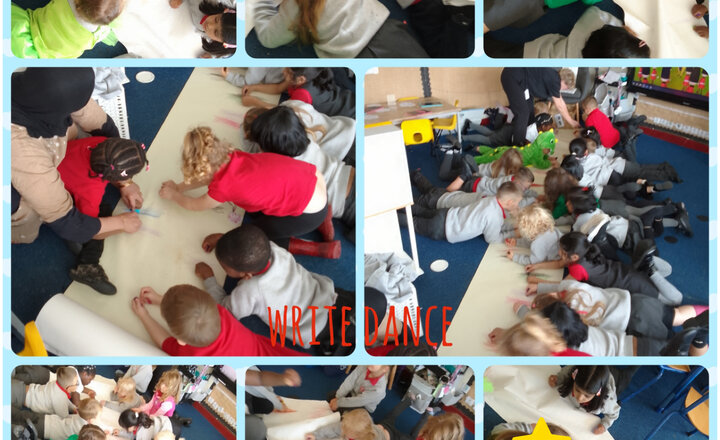
Reception -Write Dance
Our Reception children have been enjoying Write Dance this week as part of developing their pre-writing skills. We’ve been focusing on big up-and-down movements to the song “The Grand Old Duke of York”, using our whole arms to make marks together on large paper. These activities help to strengthen gross motor skills, coordination, and control, all of which lay the foundations for confident writing later on. The children loved moving, singing, and creating marks as a group – lots of energy and enthusiasm!
.png)