Pre-School-Understanding The World-Harvesting
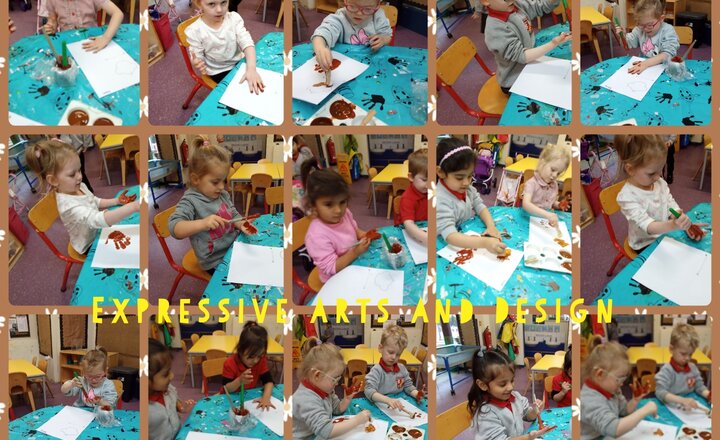
This week in understanding the world we have been looking at harvesting, What can be harvested?, who harvests them? and why we harvest fruit and vegetables. "Harvesting" in the Early Years refers to engaging young children in activities related to the gathering of crops, fruits, and vegetables. It's a fantastic way to introduce them to concepts of nature, food, and the wider world. Key Learning Areas in EYFS Covered by Harvesting Activities: Understanding the World: The Natural World: Learning about plant life cycles, where food comes from, the importance of water and sunlight, and the role of insects. People, Culture and Communities: Understanding how farms provide food, the concept of a harvest festival, and the idea of sharing and gratitude. Physical Development: Fine Motor Skills: Planting small seeds, picking berries, husking corn, using child-friendly gardening tools. Gross Motor Skills: Digging, carrying baskets, moving around a garden or outdoor space. Personal, Social and Emotional Development: Managing Self: Developing patience as they wait for plants to grow, taking responsibility for caring for plants. Self-Regulation: Sharing tools, taking turns. Building Relationships: Working cooperatively with peers and adults. Communication and Language: Listening, Attention and Understanding: Following instructions for planting and harvesting. Speaking: Describing textures, smells, and tastes of harvested items, discussing what they are doing. Mathematics: Number: Counting fruits, vegetables, or seeds; measuring quantities of soil or water. Shape, Space and Measure: Sorting by size, comparing quantities. Expressive Arts and Design: Creating with Materials: Making fruit/vegetable prints, collages with seeds, designing scarecrows. Being Imaginative and Expressive: Role-playing a farmer or market stall holder. Harvesting Activities for EYFS: Real Garden Harvesting: Planting and Growing: If possible, have a small garden patch where children can plant seeds (e.g., beans, cress, sunflowers) and care for them. The ultimate harvesting experience! Picking: Picking ripe fruits (strawberries, raspberries) or vegetables (peas, cherry tomatoes) they have grown. Root Vegetable Digging: Burying vegetables like potatoes or carrots in a sensory bin filled with soil or compost for children to "dig up."
Pre-School-Expressive Art And Design-Making snails.
At the workshop table this week we have been creating snails using a range of materials, this is linked to our story The Snail and The Whale.
Let’s Talk Dummies – Helping Your Pre-Schooler Get Ready to Talk and Learn
Dummies can be really helpful when children are little, especially for comfort and sleep. But as they grow and get ready for nursery or school, dummies and bottles can start to get in the way of their talking. Using a dummy too much can make it harder for children to: • Babble and practise new sounds • Move their tongue properly for clear speech • Develop teeth and mouths in a way that supports speaking All of these things are really important as children build their confidence with talking, listening and joining in – key parts of being ready for school. How can you help? • Try to keep dummy use just for sleep times • Take the dummy out when your child is playing, exploring or talking • Start to reduce dummy use gradually – and aim to stop altogether before they turn 2 If you’re not sure where to start or would like some ideas, just ask a member of staff – we’re always happy to help. Together, we can support every child to find their voice and feel confident for their next steps. ????????
Pre-School- Physical Development- Making Marks
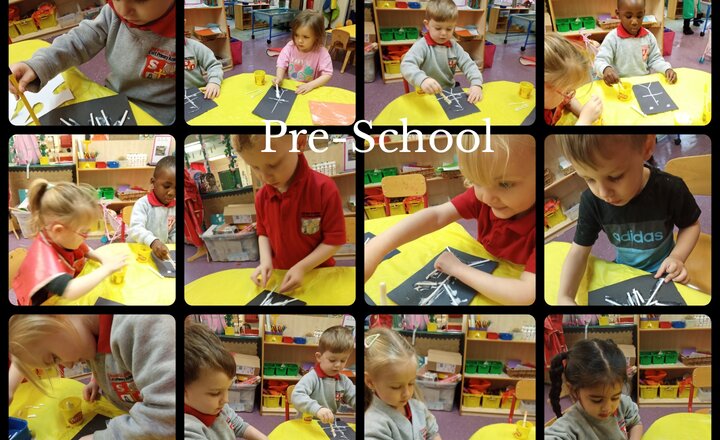
In Pre-School we have been developing our mark making skills in class, using letter join and write dance to support our movements in the rice. Using our finger to mark swirls, rainbow, lines, figure of 8 and many more. The children have the freedom to see marks made in a different way instead of on paper.
Pre-School- Seven Areas of Learning- Continuous Provision
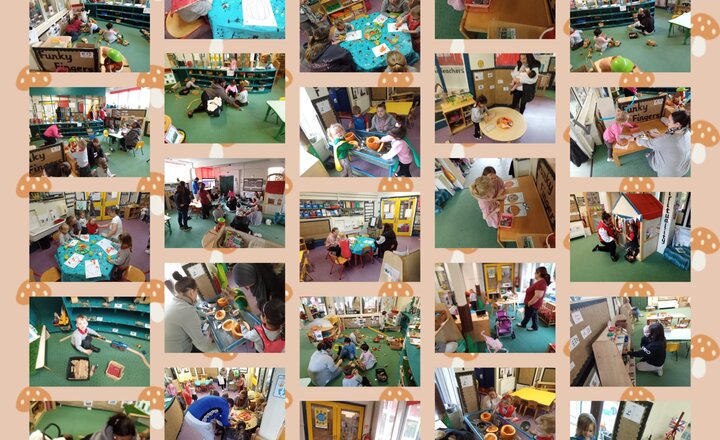
In Pre-School the children learn through play. Exploring the environment with interest to develop their knowledge and understanding and challenge their learning. Each area is designed to engage them to play, making them independent with selecting resources and build on their skills. This week the children have developed their imaginative skills building a bridge in the garden which revisited a story we have covered a while ago. The three Billy goats gruff, remembering parts of the story and using size language when the children crossed the bridge. The children interact with each other pulling them into each other's play and communicating what they are going to do. Building houses together in the construction area and making tea for each other at the malleable table. Developing their mark making skills with different resources and tools to cause different effects.
Online Safety - Nintendo Switch 2
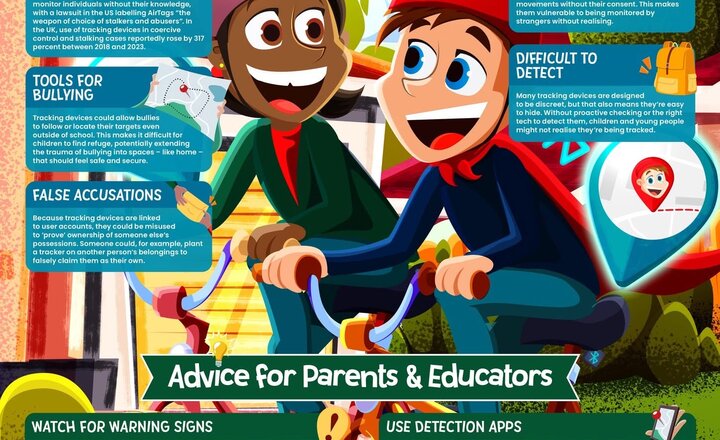
Nintendo’s long-awaited Switch 2 has finally arrived, blending fresh hardware with fan-favourite franchises. From Mario to Pikachu, the familiar mascots are back – but so too are evolving online features, in-game purchases, and potential exposure to mature content. As ever, it’s essential that parents and educators understand the risks to young players. Among these are GameChat voice communication, camera-based gaming, and potential access to mature-rated titles. This guide outlines what to watch out for and how to keep children safe, engaged and having fun.
Online Safety - Youtube Kids
YouTube Kids promises a safe, child-centric experience with colourful visuals, age-filtered content, and robust parental controls. Designed to appeal to younger viewers, the app has grown rapidly, being used by tens of millions of children worldwide. But is it as safe as it seems? Despite YouTube Kids’ safeguards, reports have highlighted worrying issues, such as inappropriate content slipping through filters, subtle advertising, and the use of manipulative design to keep children engaged. Our guide explores how to navigate these pitfalls, offering practical advice for making sure children get the most from the platform – without the risks.
Forest School Training
Forest School learning is an inspirational and specialised approach to outdoor education that focuses on developing confidence, self-esteem, and holistic growth in learners through hands-on experiences in natural environments. This week our teachers have been on a Forest School adventure. Learning all the different skills to become Forest School leaders. Bringing back to school the philosophical understanding, practical skills, and confidence to unlock the vast educational potential of the outdoors, ultimately creating richer, more engaging, and more beneficial learning experiences for our pupils.
Pre-school-Maths-Patterns-Notice Error in Repeated Patterns
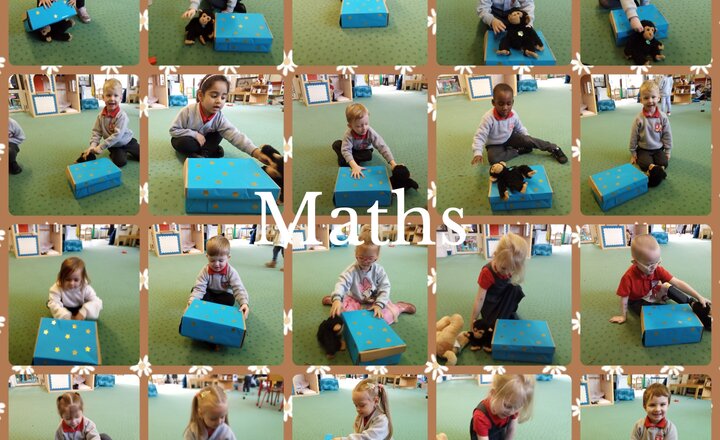
Children used different activities to find errors in repeated patterns, some children had to find the error using colour bears some had picture cards and had to identify the error and others used lego bricks to help them find the error in the repeated pattern. Finding errors in repeated patterns is a crucial step in developing early mathematical thinking in Early Years children. It helps them understand the concept of a "unit of repeat" and strengthens their logical reasoning skills. This helps the children with- Pattern Recognition: It reinforces their understanding of what a pattern is and how it repeats. Logical Reasoning: It encourages them to think critically and identify what doesn't fit the established rule. Problem-Solving: It provides a hands-on opportunity to fix mistakes and see the immediate result of their correction.
Pre-school-Maths-Patterns-Notice Error in Repeated Patterns
Children used different activities to find errors in repeated patterns, some children had to find the error using colour bears some had picture cards and had to identify the error and others used lego bricks to help them find the error in the repeated pattern. Finding errors in repeated patterns is a crucial step in developing early mathematical thinking in Early Years children. It helps them understand the concept of a "unit of repeat" and strengthens their logical reasoning skills. This helps the children with- Pattern Recognition: It reinforces their understanding of what a pattern is and how it repeats. Logical Reasoning: It encourages them to think critically and identify what doesn't fit the established rule. Problem-Solving: It provides a hands-on opportunity to fix mistakes and see the immediate result of their correction.
School Games Gold Award Winners!
We’re proud to announce that Darwen St James has been awarded the GOLD School Games Mark! This brilliant achievement is a reflection of the perseverance, courage, and hope shown by our pupils—and the dedication of our PE and Extra-Curricular Sports Team, who work tirelessly to promote sport and physical activity across our school. This year we have participated in netball, football, cross country and cricket to name a few! The School Games Mark is a national award that celebrates a school’s commitment to PE, school sport, and competition, both within and beyond the school gates. It also supports schools in reviewing and strengthening their provision. A huge thank you and well done to Mrs Cookson and all the staff for making sport such an exciting and important part of life at Darwen St James. We’re incredibly proud of our pupils for stepping up to every challenge with determination and team spirit. Keep going, keep growing! ???? #TeamDSJ #DSJFamily
Pre-School- UTW-Life Cycle Of A Caterpillar
Over the last few weeks the children have been observing caterpillars and watching what happens next. We introduced the eggs to the children and explained what is in the jar. As the weeks went on we started to see the caterpillars pop out of the eggs and start to grow. The caterpillars got bigger and bigger and then needed to go home with Mrs Corbally to be looked after in the holidays. At this time the caterpillars went into their cocoons and we waited and waited to see what happened next. On the first day back into nursery we had butterflies! The children helped to feed the butterflies sugar water and oranges before letting them go.
.png)