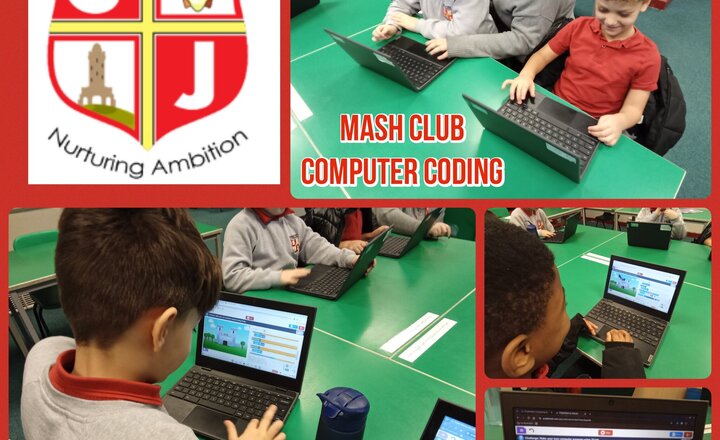
Mash Club - Extra Curricular Activities
Have you ever wondered what it takes to build a digital world from scratch? This term in Computer Club, our talented young developers have been doing exactly that using Purple Mash to design and code their very own video games. By mastering block-based programming, the children successfully brought characters and animals to life, animating their movement and even giving them a voice through programmed dialogue. The real magic happened when we explored collision events, coding characters to transform their appearance the moment they touch, and adding a scoring system to turn their creations into fully functional, competitive challenges. It has been inspiring to watch them evolve from tech users into confident creators, tackling complex logic and debugging with incredible persistence! #DarwenStJames #ComputerClub #SchoolComputing #PurpleMash
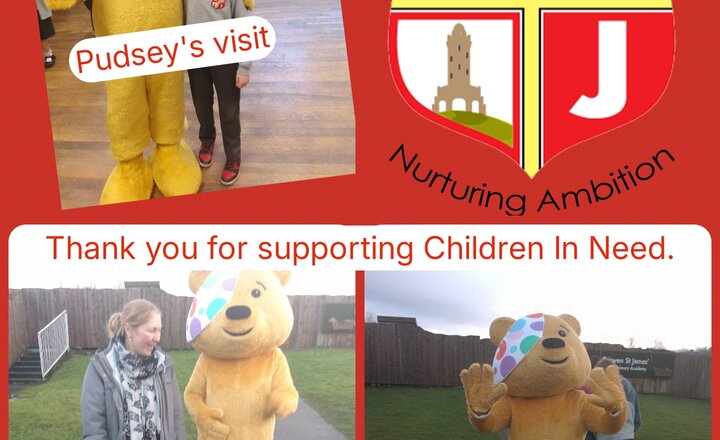
Children in Need - A Visit from Pudsey!
???? A Very Special Visitor at Darwen St James’! We are thrilled to share some exciting news! Because of the incredible generosity and hard work of our pupils, parents, and staff, we received a very special surprise visit from Pudsey Bear himself! Pudsey dropped by to say a massive "thank you" for the money we raised for Children in Need. It was wonderful to see so many smiles across the school as we celebrated our fundraising success together. ???? Why it Matters The money raised goes directly toward supporting children and young people across the UK, ensuring they have the support they need to thrive. At Darwen St James’, we believe in "Nurturing Ambition," and helping others is a big part of that mission. ❤️ A Huge Thank You We are so proud of our school community. Whether you donated, took part in a challenge, or wore your spots with pride, you helped make a difference. Check out the photos from Pudsey’s visit below! ???????? #ChildrenInNeed #PudseyBear #DarwenStJames #NurturingAmbition #FundraisingSuccess #CommunitySpirit
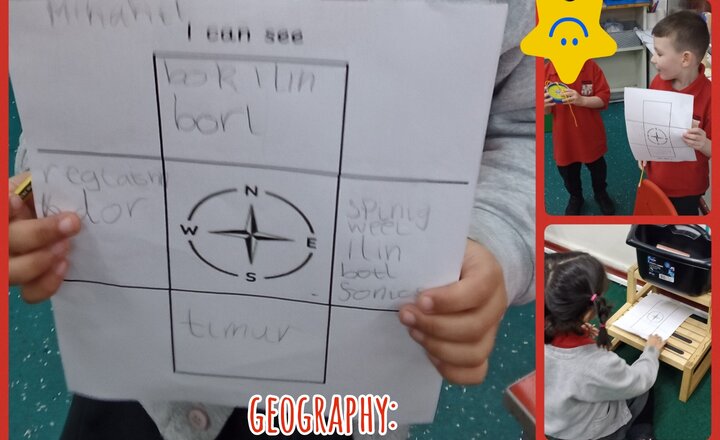
Year 1 - Geography - Compass Directions
Our young explorers have been busy mastering the four cardinal directions in Geography this week. From identifying North, South, East, and West to mapping out the classroom around them, they are well on their way to becoming expert navigators! It’s wonderful to see such great focus and "direction" in their learning. #Year1 #GeographySkills #YoungExplorers #PrimaryEducation #CompassPoints
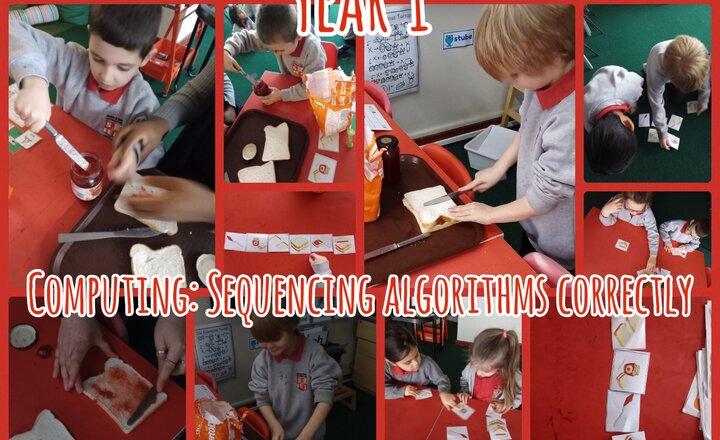
Year 1 - Computing - Algorithms
Our Year 1 students are diving into the world of Computing by learning how to sequence algorithms correctly. To understand how computers follow instructions, we practiced breaking down everyday tasks into clear, logical steps. #Year1 #ComputingSkills #Algorithms #Sequencing
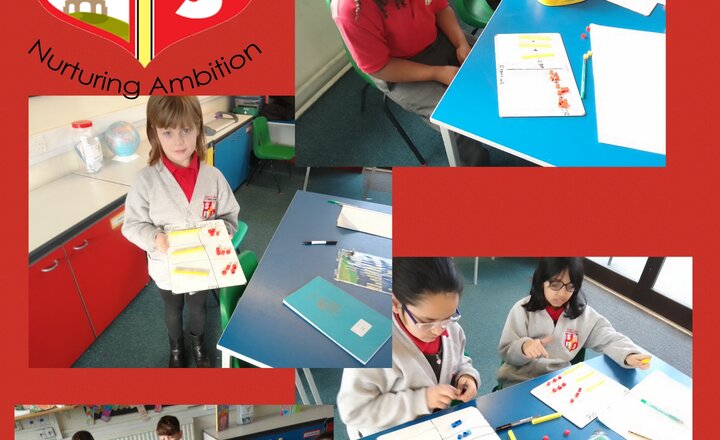
Year 4 Maths - Multiplication using Base 10
Year 4 have been extending their multiplication skills this week, multiplying 3 and 2 digit numbers by a 1 digit number. We have been making and displaying the numbers and groups to be multiplied, by using Base 10 as a visual representation.
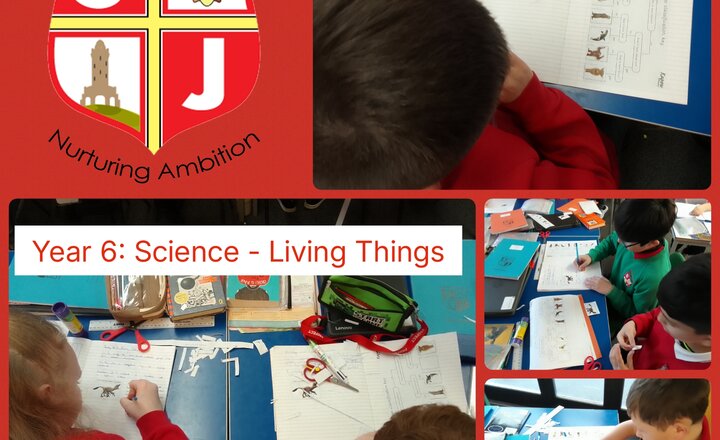
Year 6: Science - Living Things
This week in Science, year 6 have continued to develop their understanding of classification keys. They created a key for vertebrates, and we had a great discussion about whether an extinct creature was a reptile or a bird, using observable characteristics to justify our answers.
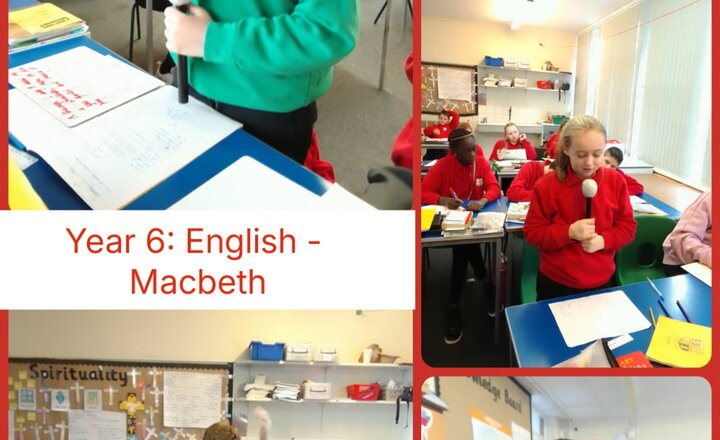
Year 6: English - Macbeth
This week in English, Year 6 have been focussing on understanding how to create tension and atmosphere in their writing. They have written a powerful setting description for the opening to Macbeth.
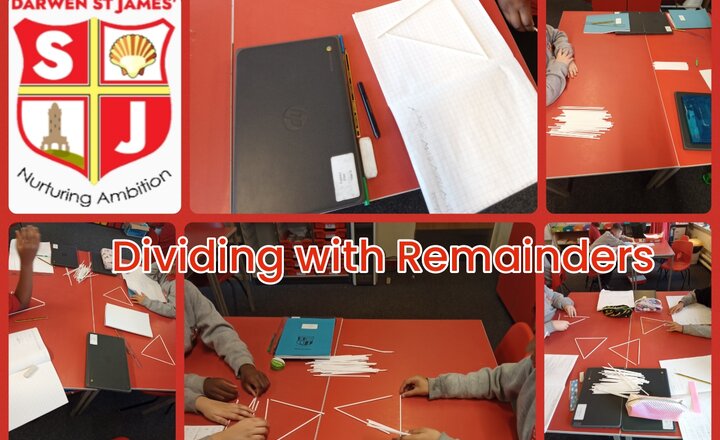
Year 5 Maths - Dividing with Remainders
Maths is "Straw-some" in Year 5! This week, Year 5 have been getting hands-on to master the art of division with remainders! Using bundles of straws as manipulatives, the children explored how to share and group numbers equally. The big "Aha!" moment came when we discovered a golden rule of mathematics: the remainder can never be greater than the divisor! By physically trying to make groups, the pupils realised that if they had enough straws left over to make another full set, their division wasn't finished yet. This practical approach turned a tricky abstract concept into something clear, visual, and—most importantly—fun! We are so proud of how our young mathematicians are using their problem-solving skills to "think outside the box" (or the straw bundle!). Can you think of a real-life situation at home where you might end up with a remainder—perhaps when sharing out a pack of biscuits or a bag of sweets? Let us know in the comments!
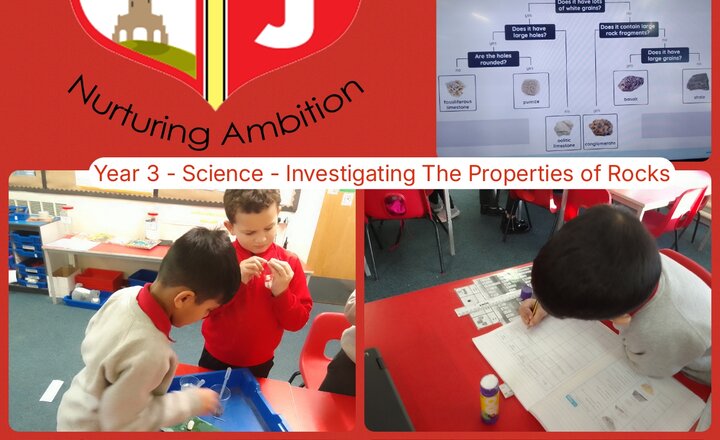
Year 3 - Science - Investigating The Properties Of Rocks
Year 3 are rocking it! Today we turned our classroom into a lab to investigate the properties of rocks. We’ve been scratching, soaking, and sorting to find out which rocks are the toughest and which are the most absorbent.
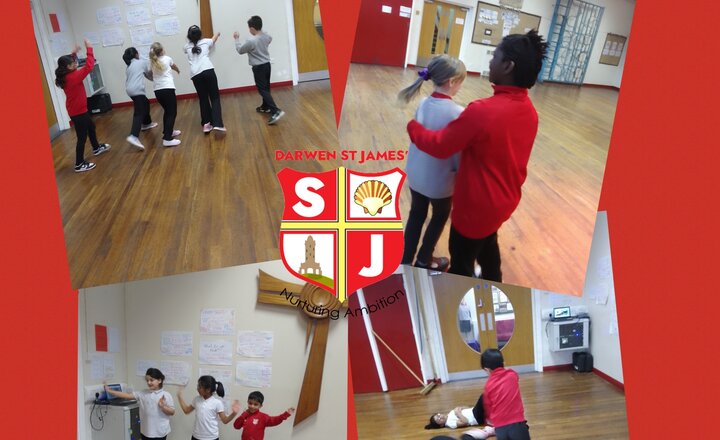
Year 3 - P.E. - Dancing Like Machines
Year 3 had a fantastic PE this week, using "Get Set 4 PE" to turn our bodies into mechanical parts. We investigated how machines move in straight lines and jerky pulses to create a class performance. Ask your child to show you their "robotic isolation" move tonight—you’ll be impressed by their control!
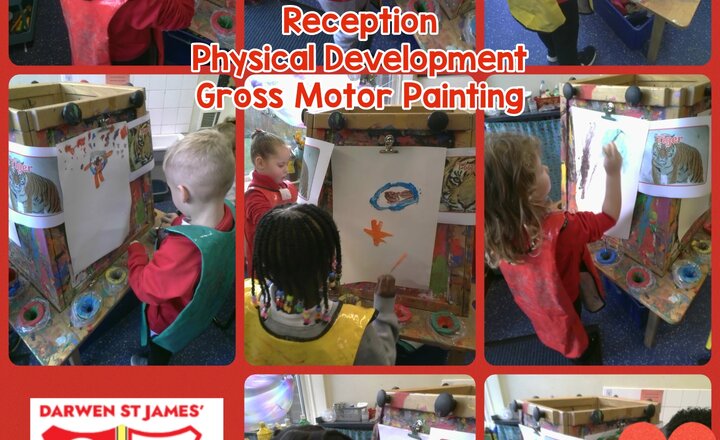
Reception- Physical Development- Gross Motor Painting
In our Reception classroom this week, the children refined their gross motor skills through the expressive act of painting tigers. Rather than being confined to small movements, the children use their entire arms and shoulders to sweep across large canvases, building the core strength and postural stability necessary for later physical development. When creating the tiger's face, they practice purposeful circular movements, rotating their arms from the shoulder and elbow to master the coordination required for fluid shapes. This physical effort is paired with cognitive milestones as they engage in color selection; reaching across the easel to choose fiery oranges and deep blacks encourages crossing the midline, a crucial neurological development. As they pivot their bodies and stretch to add stripes, these young artists are not just painting—they are strengthening the large muscle groups that provide the foundation for balance, coordination, and eventual fine motor control.
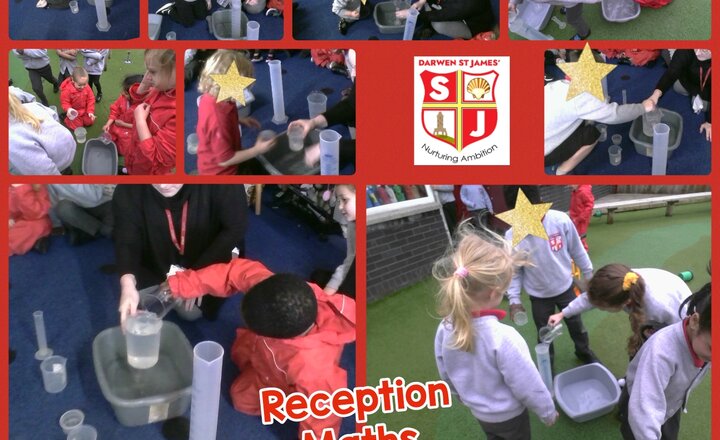
Reception- Maths-Capacity
In Reception the children dove into the world of capacity by exploring how different volumes interact with various shapes and sizes. Through hands-on experimentation, they develop a concrete understanding of mathematical vocabulary such as full, empty, and half-full. By pouring water between tall, narrow cylinders and wide, shallow basins, the children are often surprised to see that the same amount of liquid looks different depending on the vessel, sparking "what would happen if..." inquiries that lead to early scientific testing. This process of filling and emptying containers allows them to make predictions and comparisons, building the foundational spatial awareness needed to understand that capacity refers to the amount a container can hold regardless of its height or width.