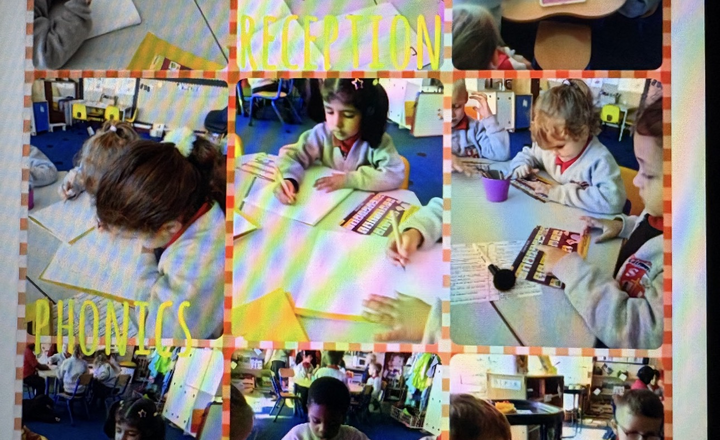
Reception - Phonics - Letter Formation
Look at these future readers and writers in action! Our Reception class is diving deep into phonics and letter formation, and it's clear they're having a blast. So many engaging activities help them build those crucial foundational skills with smiles all around. Love seeing learning come to life!
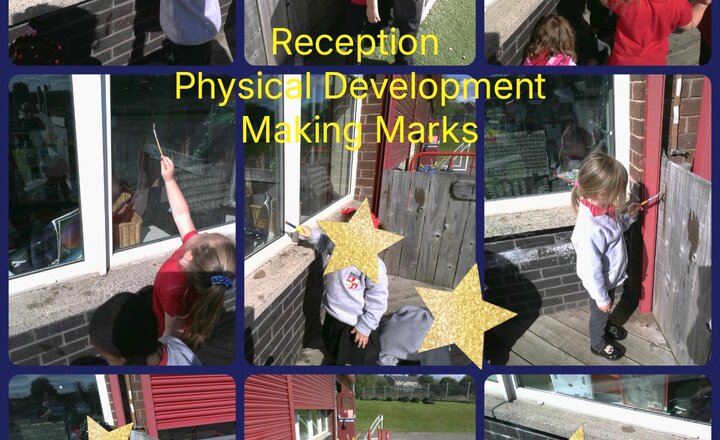
Reception- Physical Development- Making marks
Reception have been developing their gross motor skills this week. Painting with water onto the windows stretching up high to make large movements and then fine movements painting the fence. We added in the shapes we have been learning in Write Dance to develop all the muscles in our arms and fingers.
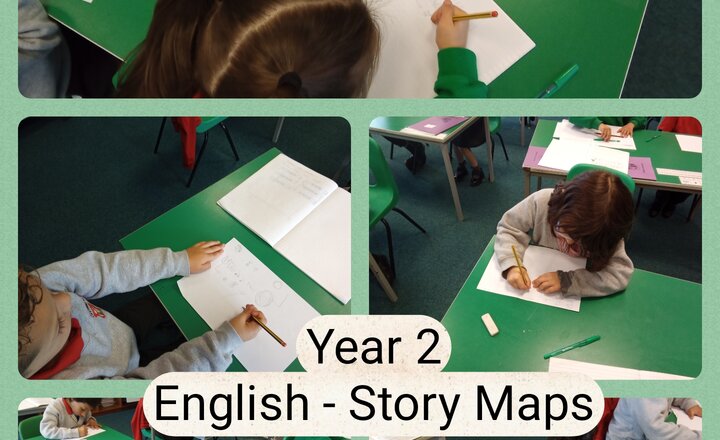
Year 2 - English - Story Maps
Year 2 have been enjoying the book 'The Way Home Wolf' in English. To deepen their understanding, they created detailed story maps to help them sequence and orally retell the story to their classmates. This activity helped them build confidence and memory skills.
Year 6: English - Writing a Character Description
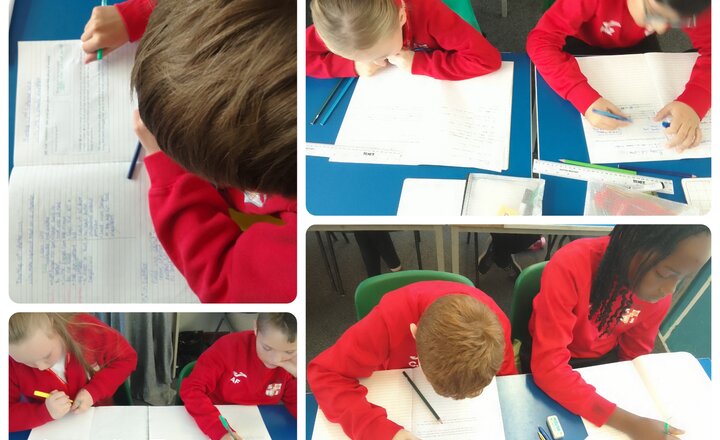
In English, year 6 are enjoying the Nowhere Emporium. This week we are focussing on the character of Lucien Silver, and using powerful adjectives to describe his personality and appearance.
Year 5 English - Mythological Creatures Top Trumps
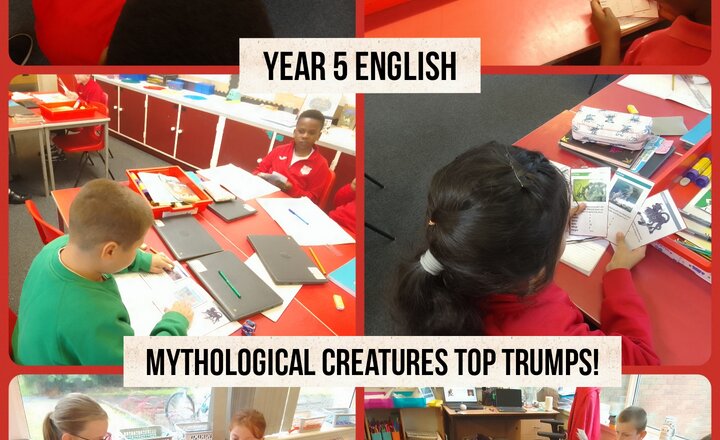
Year 5's English study of The Lion, The Witch and the Wardrobe led us into the realm of mythology this week. To prepare for innovating a new character inspired by Mr. Tumnus, students delved into researching legendary creatures. We kicked off the unit with an exciting game of Top Trumps, exploring the unique attributes of monsters such as the Gorgon, Siren, and Cyclops, which will serve as excellent inspiration for their final writing task.
Year 2 - English - Freeze Frames
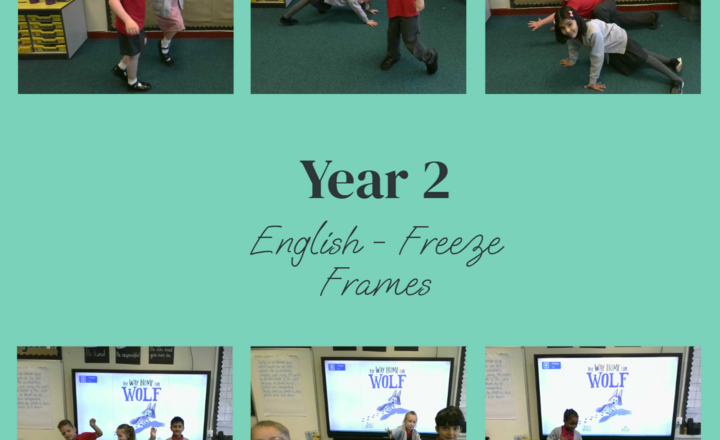
In our English lessons, we have been enjoying the book 'The Way Home Wolf.' We focused on the descriptive words the author used to show how the wolves moved. We acted out these scenes and wrote our own sentences. We used the word 'and' to connect our ideas and make our writing more detailed.
Reception -Write Dance
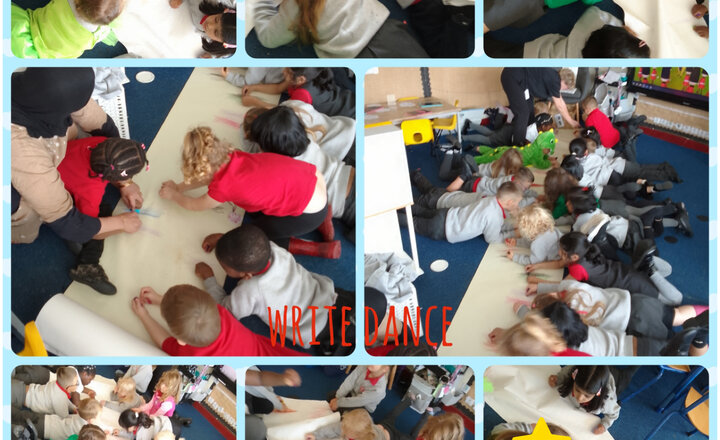
Our Reception children have been enjoying Write Dance this week as part of developing their pre-writing skills. We’ve been focusing on big up-and-down movements to the song “The Grand Old Duke of York”, using our whole arms to make marks together on large paper. These activities help to strengthen gross motor skills, coordination, and control, all of which lay the foundations for confident writing later on. The children loved moving, singing, and creating marks as a group – lots of energy and enthusiasm!
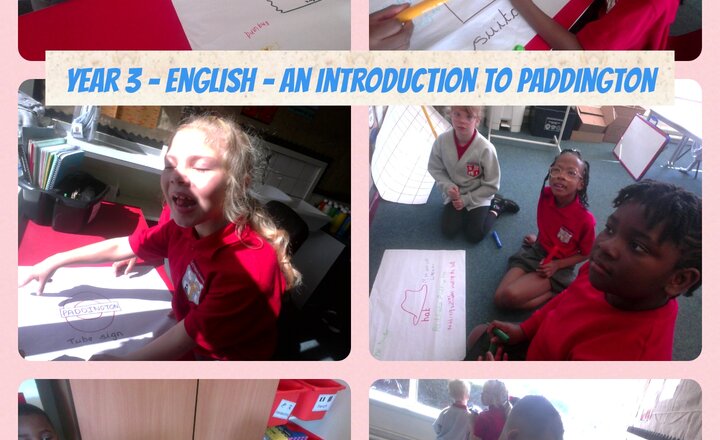
Year 3 - English - Getting To Know Paddington Bear
This term, we've been on an exciting adventure with a very special bear from deepest, darkest Peru... Paddington! Our class has been exploring a variety of images featuring everyone's favourite marmalade-loving bear. We've been using these pictures as a springboard for our writing, jotting down everything we know about Paddington, his adventures, and his friends. From his iconic duffle coat and red hat to his love of marmalade sandwiches, the children have been busy capturing their knowledge and ideas.
.png)
Year 3 - What An Amazing Year!
What an incredible year it's been for Year 3! We've explored so many exciting new topics, from forces and plants in science to building castles in DT. In computing, we learned to send emails, and in French, we mastered greetings. One of our favorite lessons was hot-seating as characters from "The Magic Faraway Tree". We even staged two fantastic productions: "The Christmas Story" and, at Easter, "Roll Back The Stone." It's safe to say we've learned a tremendous amount and had a truly brilliant year!
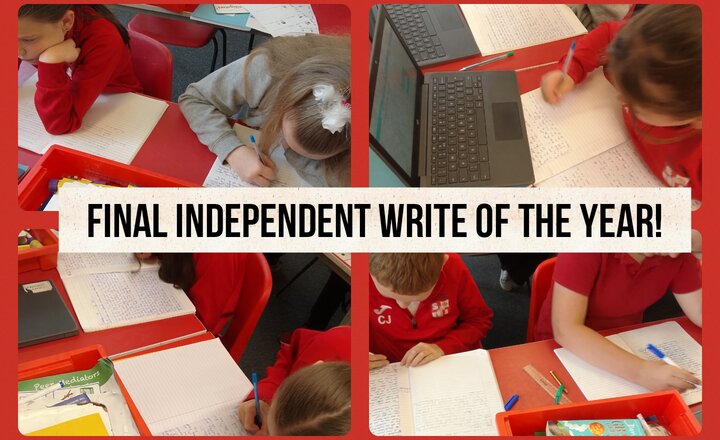
Year 5 English - Final Independent Write of the Year!
This week, Year 5 proudly completed their final independent narratives, a testament to their exceptional effort throughout the writing process. Drawing inspiration from their class novel, Journey to the River Sea, students ingeniously innovated the text by transforming characters and, in some cases, entirely reimagining the setting. They demonstrated remarkable dedication, meticulously applying the diverse range of writing skills cultivated throughout the year to craft their compelling stories.
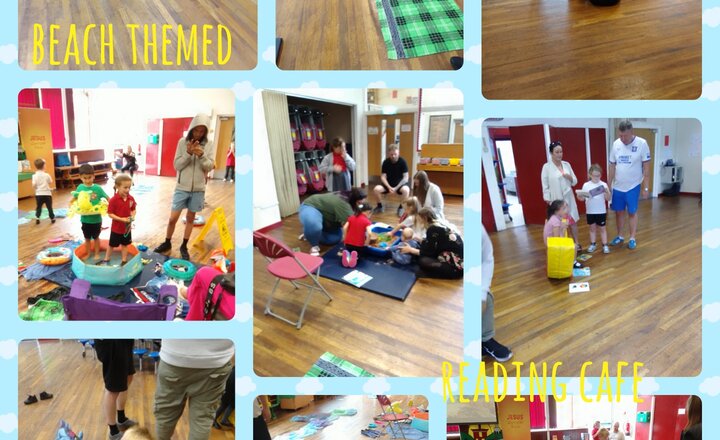
Beached Themed Reading Cafe
Wow, what an incredible day we had at our beach-themed reading café! A massive thank you to everyone who joined us and made it such a fantastic success. It was truly wonderful to see so much fun, laughter, and, most importantly, a clear passion for books filling the room!
.jpg)
Year 2 - English
Year 2 have been able to edit their partner's work, giving positive and constructive feedback.
.png)