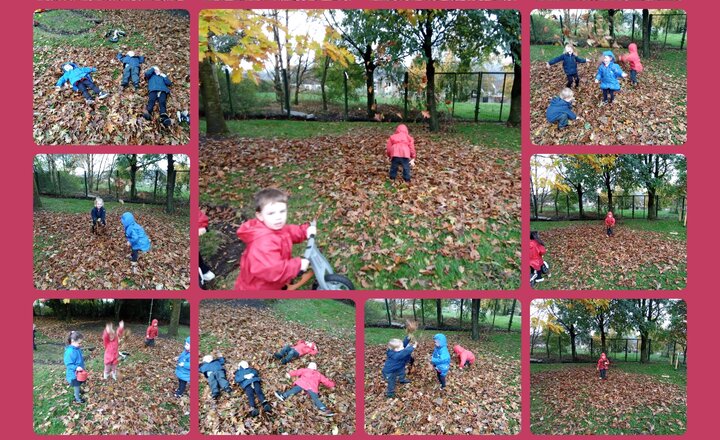
Pre-School-Outdoor Provision-Autumn Fun
???? Autumn is officially in the air—and in our classroom! ???? We're diving into the Natural World by becoming little nature detectives. From watching the leaves turn a brilliant gold to spotting squirrels prepping for winter, our children are observing and describing all the amazing seasonal changes around us. What we're exploring: • ???? Nature Detective Work: Describing why the leaves feel 'crunchy' and look 'rusty.' • ???? Getting Moving: Practicing new Gross Motor skills like swirling like a dancing leaf or stomping through imaginary leaf piles! • ????️ New Words: Adding exciting words like deciduous, acorn, and conker to our vocabulary.
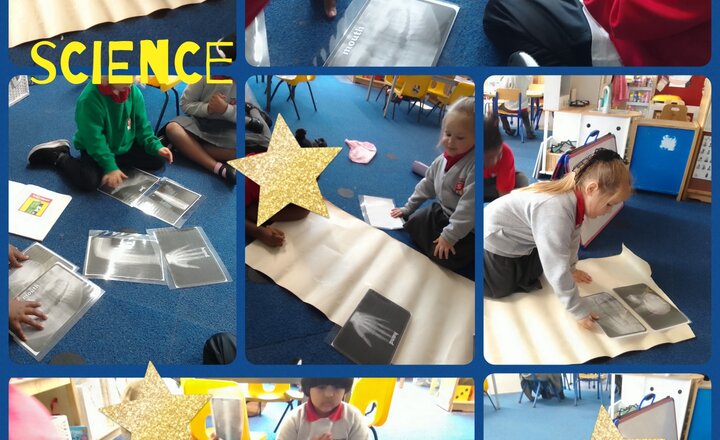
Reception - Science - Exploring Skeletons!
In Reception, we’ve been exploring skeletons as part of our learning linked to Funnybones by Janet and Allan Ahlberg. The children were fascinated by real X-rays and loved discovering what our bones look like inside our bodies. We worked together to draw around each other on large paper, then named and labelled the different bones — from our skulls and ribs to our arms and legs! This hands-on learning helped the children make links between the story and their own bodies, while developing their understanding of the world (EYFS science). It’s been a brilliant mix of curiosity, creativity and teamwork — and we’ve learned that there really are skeletons inside everyone!
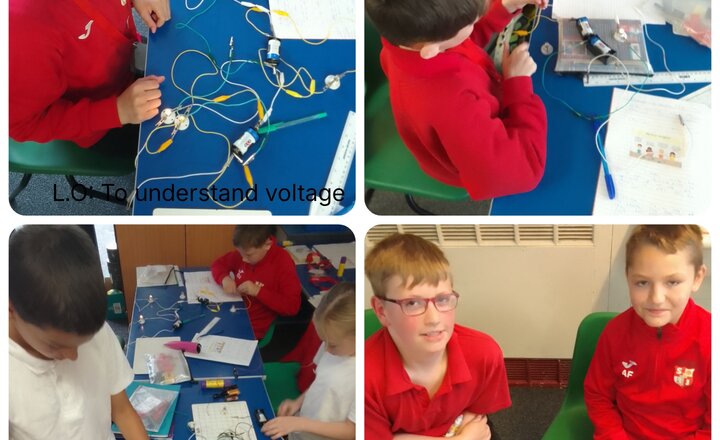
Year 6: Science - Voltage
In science Year 6 have been building circuits, with the aim of finding the impact that changing the voltage has on the brightness of a bulb. We made predictions and then tested the accuracy of their thinking.
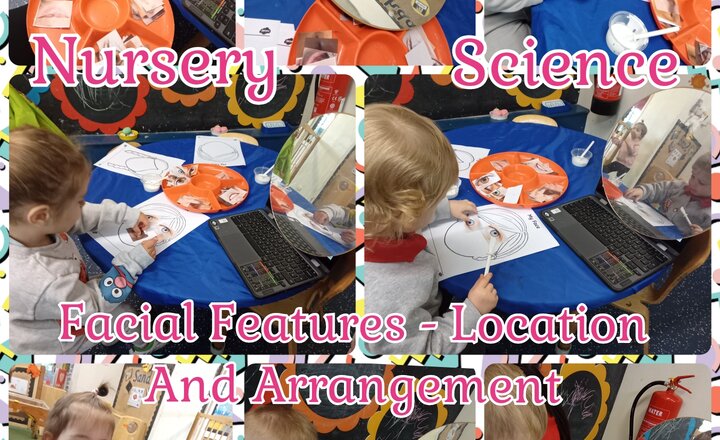
Nursery - Science - Facial Features, Location And Arrangement
In our combined Science and Art lesson, the children participated in a focused activity designed to enhance their self-awareness and understanding of personal identity and facial features. The lesson began with the children receiving blank face outlines and a selection of individual features—eyes, noses, and mouths. The core of the activity involved using a mirror to observe their own faces closely. This encouraged careful self-examination as they noticed the placement and quantity of their features. They had to decide on the appropriate features and then attempt to translate what they saw in the mirror onto their paper. The children demonstrated excellent concentration and observation skills during this task, correctly identifying that they needed two eyes, one nose, and one mouth. They did a fantastic job of placing their chosen features to create unique and accurate representations of themselves, reinforcing the idea that everyone is unique and special.
.png)
Year 1 Science - Senses
In Science this week, the children used their sense of smell and sight to describe the food item. They smelt and saw bananas, toothpaste, paprika, hot chocolate powder and lemon juice! The children thoroughly enjoyed putting these senses to the test!
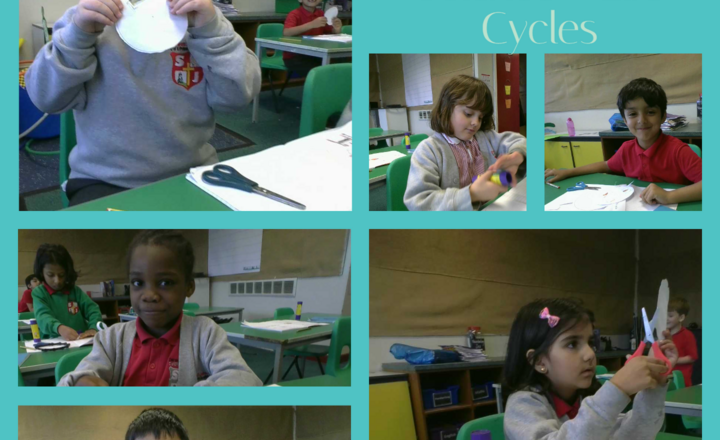
Year 2 - Science - Life Cycles
In Year 2, we have been learning about animal life cycles! We discovered that some animals, like chickens, hatch from an egg, while others, like puppies, are born as live young. To show what we've learned, we created our very own life cycle wheels to illustrate the amazing journeys of different animals. It's been so exciting to learn about how animals grow and change throughout their lives!
.png)
Year 1 - Science - Senses
In science we have been learning about the 5 senses. We looked at and tasted foods to use 'smell' and 'sight' senses. The children tasted lemon juice, chocolate, popcorn and dark chocolate and used the terms 'sour, sweet, salty and bitter' to describe them.
.jpg)
Pre-School-Understanding The World-Changes As We Grow
Last week in Understanding the World, I asked parents to send in a baby photo of their child. The children loved looking at their pictures and talking about how much they’ve changed since they were babies and what they look like now. This simple activity sparked so much learning: • Personal, Social and Emotional Development: Talking about their own baby photo helped the children build confidence and recognise how they’ve grown. • Physical Development: They could see how their bodies have changed – from not being able to walk to now being able to run, jump, and climb. • Understanding the World: The children explored the idea of change over time, learning that people and living things grow and develop as they get older. • Communication and Language: They enjoyed using descriptive words, asking questions, comparing their photos, and sharing their memories.
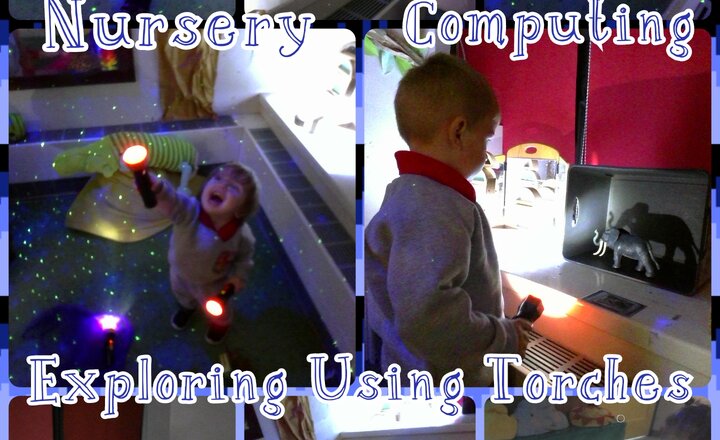
Nursery - Computing - Exploring Using Torches
In our computing lesson, the children had a wonderful time exploring with torches. They learned how to turn the torches on and off, which helped them understand the basic concept of control and cause and effect. The children's interests led them in many different directions. Some were fascinated by shining the lights on the roof, walls, and floor, while others enjoyed creating beautiful light displays by placing coloured scarves over the beams. A few children also showed great curiosity by using their torches to make shadows with toys from around the classroom inside a box. They explored how their movements changed the shape and size of the shadows. This hands-on lesson encouraged the children to be creative and independent while developing their understanding of light, darkness, and simple technology.
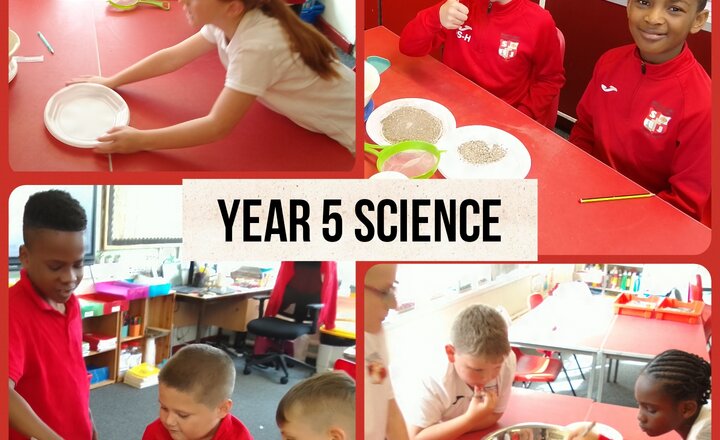
Year 5 Science - Separating Mixtures by Sieving
This term, Year 5 scientists have been exploring the fascinating world of mixtures! This week, we became gold prospectors, using different-sized sieves and colanders to separate a mixture of soil and gold glitter flakes. We discovered that the smaller the holes, the more finely the mixture is separated. It was a hands-on lesson that really helped us understand the principles of separation.
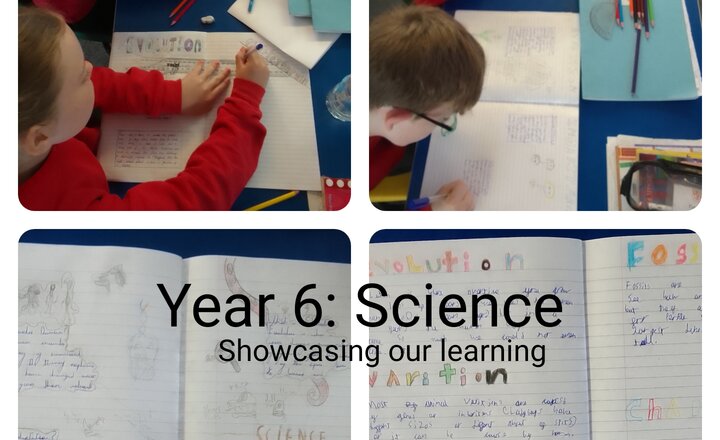
Year 6: Science
This week in Science, year 6 have produced a double page spread showing their learning over this half term. They have included information on adaptation, variation and evolution, as well as information on our significant figure Charles Darwin.
.png)
Year 3 - What An Amazing Year!
What an incredible year it's been for Year 3! We've explored so many exciting new topics, from forces and plants in science to building castles in DT. In computing, we learned to send emails, and in French, we mastered greetings. One of our favorite lessons was hot-seating as characters from "The Magic Faraway Tree". We even staged two fantastic productions: "The Christmas Story" and, at Easter, "Roll Back The Stone." It's safe to say we've learned a tremendous amount and had a truly brilliant year!
.png)