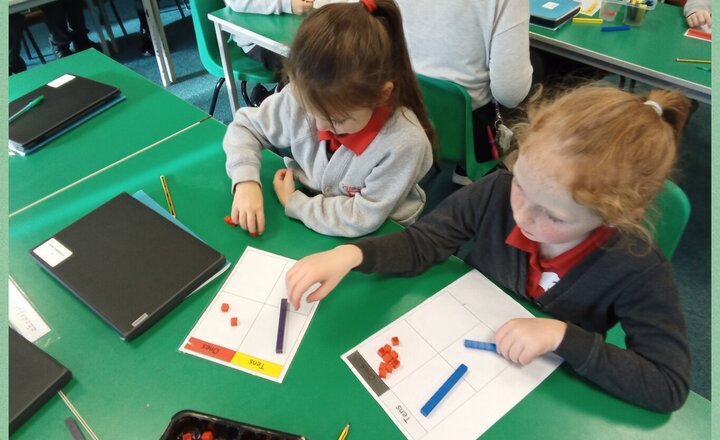
Year 2 - Maths - Adding two 2-digit numbers
Mastering Two-Digit Addition This week in Maths, Year 2 have been busy developing a key skill: adding two 2-digit numbers together. We have been using Base 10 equipment extensively to support our learning. This practical approach helps the children to clearly understand the value of the tens and ones, which is crucial for building a solid foundation in addition and preparing them for more complex calculations, including 'exchanging' or 'regrouping'. Great work, everyone!
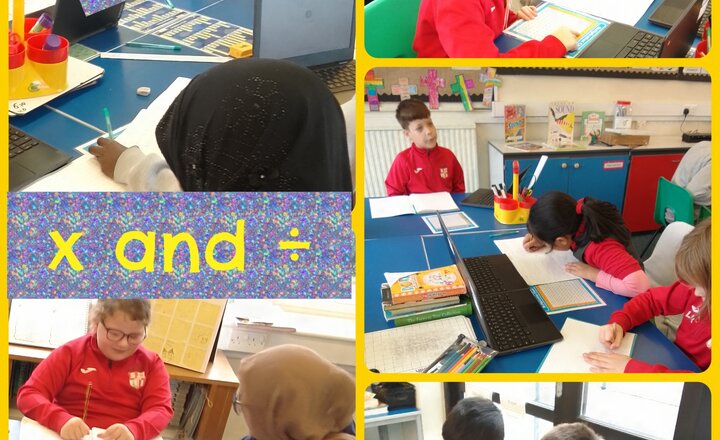
Year 4 Maths Times and Divide
Year 4 have been putting their multiplication and division skills to the test this week in our Maths lessons. We have been finding out the different terms and the patterns of numbers, representing these groups of numbers in different ways with a variety of resources. We have also enjoyed using our Chromebooks in our Maths lessons this week!
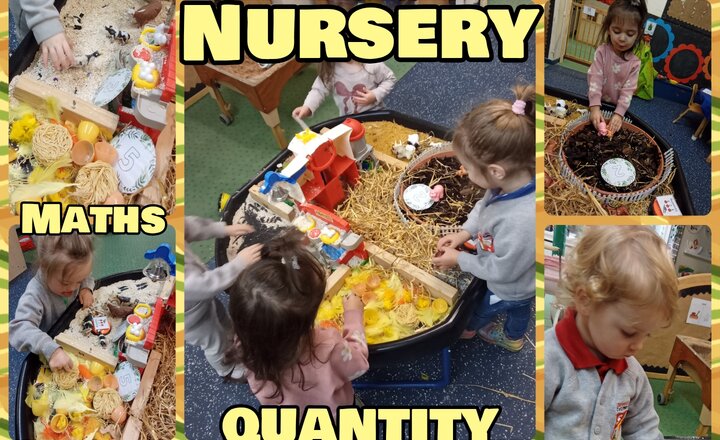
Nursery - Maths - Quantity
This week's Maths lesson was inspired by the children's spontaneous interest in farm animals, leading to an engaging, tactile farm set-up in our malleable tray. Immersed in play, the children were naturally drawn to the animals and successfully made connections between the animals and the sounds they made, mooing for a cow, oinking for a pig. While enjoying this imaginative play, they were also building crucial number language and quantity skills. We saw great examples of early counting, with some children counting the animals in each pasture. They worked hard to follow requests that required them to retrieve a specific quantity, such as the instruction, "Can I have two pigs?" This hands-on activity provided a fantastic, concrete way for the children to link abstract numbers to real-world objects.
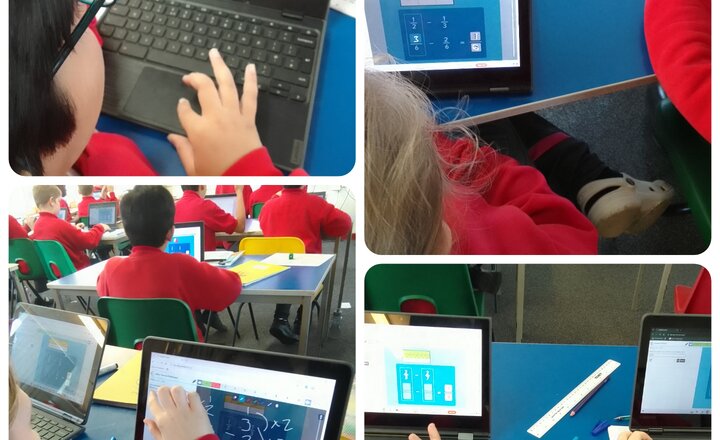
Year 6: Maths - Fractions
In maths year six have been learning how to add and subtract fractions with different denominators. They have focused on finding the LCM to solve calculations. L.O: To add and subtract fractions.
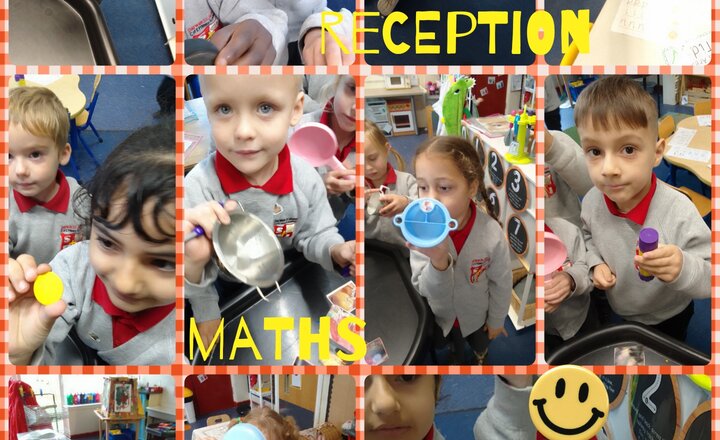
Reception - Maths - Shape Detectives!
This week in Reception we’ve been learning all about shapes! We went on a circle hunt around school and spotted circles everywhere — wheels, pizzas, clocks, and more. We talked about how a circle is a continuous curve with no corners, and the children loved finding examples in their environment. We definitely had some brilliant shape detectives on the case!
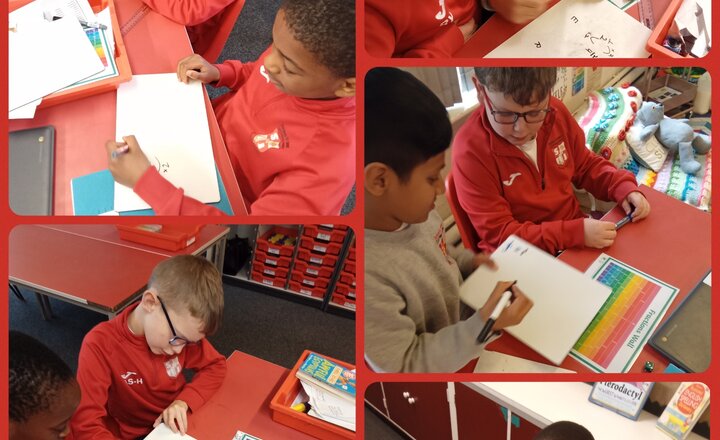
Year 5 Maths - Recognising Equivalent Fractions
Year 5 cemented their understanding of equivalent fractions through a highly engaging, practical game. Working in pairs, students used two dice to randomly generate fractions, with their partner then challenged to quickly create a correct equivalent. This activity proved successful not only in generating many examples but also in allowing the children to peer-assess each other's work, providing instant feedback and solidifying their conceptual grasp of fraction equivalence.
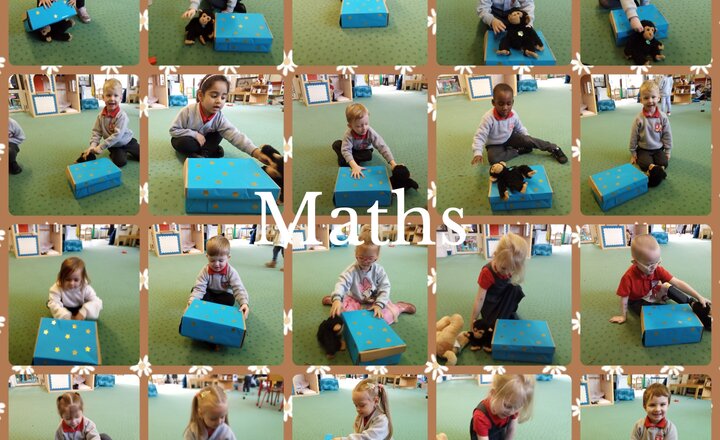
Pre-School-Maths-Positional language
This week in Maths the children have been looking at different positional language. Using a teddy and a box the children had to place teddy in different positions when instructed.
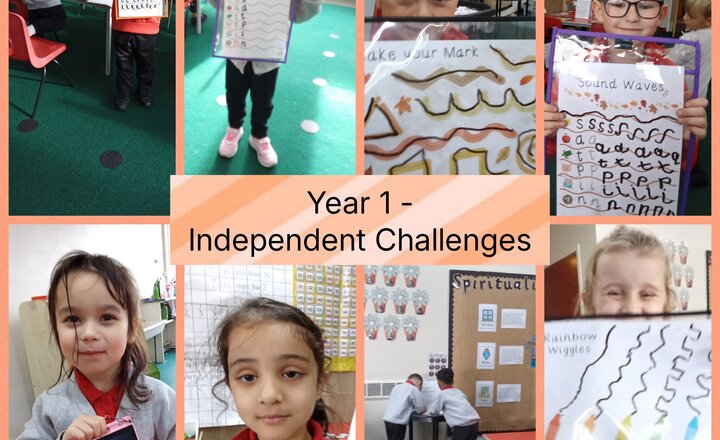
Year 1 - Independent Challenges
This week, Year 1 have been amazing doing Independent Challenges! They have worked on their phonics and mark making skills, have been practicing their letter formation with 'z', 'g', and 'l' and have been writing very silly sentences to work on their writing skills! Well done.
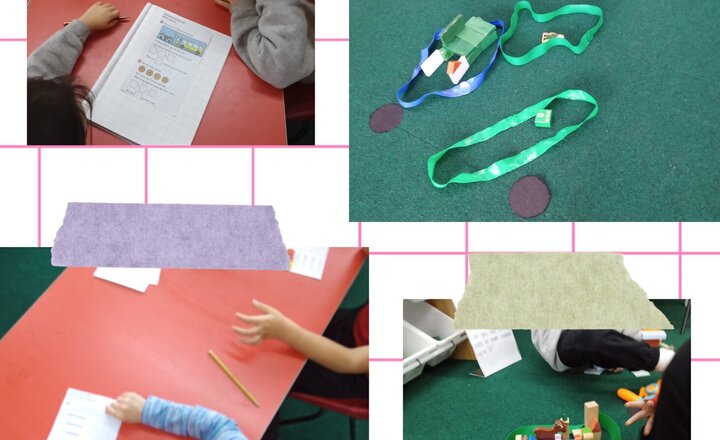
Year 1 - Maths - Adding within 10.
Year 1 have been working really hard to add within 10 this week! They have been showing this in their independent challenges too! Well done.
.jpg)
Year 4 Maths - Rounding and Estimating Carousel
Year 4 were putting their skills and knowledge of rounding and estimating to the test as we did different activities in groups this week. We were able to work together and share with each other to extend our learning, having a fabulous time whilst doing so!
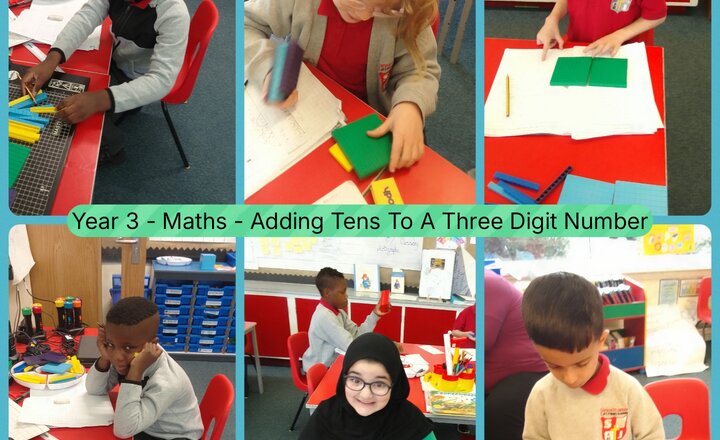
Year 3 - Maths - Adding Tens To A Three Digit Number
We levelled up our number skills in this Year 3 Maths topic when we dove into Adding Tens to a Three-Digit Number. We learned simple, effective strategies to quickly add multiples of ten (10, 20, 30, etc.) to numbers like 245 or 581. Students mastered how the tens digit changed while the hundreds and ones digits often stayed the same. This proved to be a foundational step that helped develop mental maths and a strong understanding of place value!
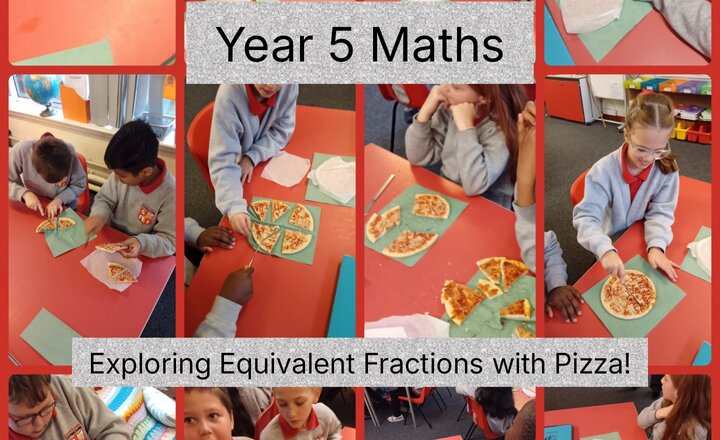
Year 5 Maths - Exploring Equivalent Fractions with Pizza!
Year 5 has launched into their new Fractions unit in Maths this week! To build a strong foundation, we used cooked pizzas to visually explore equivalent fractions. This engaging, hands-on activity successfully helped the children consolidate the vital connection between different fractional parts. By manipulating the slices, students confidently identified equivalents for halves, quarters, eighths, thirds and sixths. This understanding allowed them to move on to finding equivalent fractions for both unit and non-unit fractions with ease. We also enjoyed eating the pizza slices!
.png)